



Industrial safety depends on tiny components. High-stress environments demand the strongest fasteners. Selecting the wrong bolt leads to catastrophic failure. You need reliability under pressure. This guide focuses on the 12.9 Grade Hex Head Bolt. We will help you choose correctly.
Understanding the Basics of Grade 12.9 Fasteners
The term “12.9” represents a specific strength class. It is the highest metric grade for steel bolts. Manufacturers produce these using quenched and tempered alloy steel.
What Does the Number 12.9 Mean?
The first digit “12” indicates the nominal tensile strength. It equals 1200 MPa. The second digit “.9” shows the yield strength ratio. The yield strength is 90% of the tensile strength. This equals 1080 MPa. These bolts handle immense loads without permanent stretching.
Why Choose Alloy Steel?
Standard carbon steel lacks sufficient toughness. Grade 12.9 requires chromium, molybdenum, or manganese. These elements improve hardenability. They also enhance fatigue resistance. You get a bolt that survives vibration and shock.
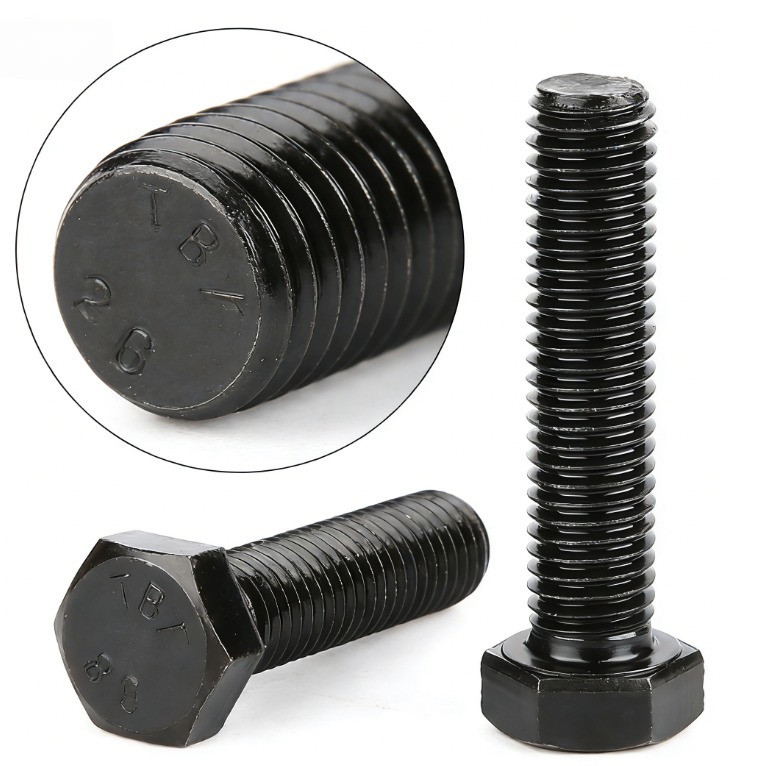
Key Factors for Selecting a 12.9 Grade Hex Head Bolt
Choosing a bolt involves more than just size. You must evaluate the application environment. Consider these five critical factors.
1. Load and Torque Requirements
High tensile bolts require precise installation. You must apply the correct torque. Over-tightening causes the bolt to snap. Under-tightening leads to joint separation. Always check the manufacturer’s torque chart. Ensure your equipment can handle 1080 MPa of yield stress.
2. Thread Pitch and Precision
Threads come in coarse or fine pitches. Coarse threads are better for quick assembly. They resist stripping in softer materials. Fine threads provide higher tension. They are ideal for precision machinery. Match the thread to your tapped hole perfectly.
-
Coarse Thread: Standard for general heavy industry.
-
Fine Thread: Used in automotive and aerospace.
3. Coating and Corrosion Resistance
Raw alloy steel rusts quickly. You must choose a suitable finish. Common options include black oxide and zinc plating. Black oxide offers a sleek look. However, it provides minimal rust protection. Zinc plating adds a sacrificial layer. For outdoor use, consider specialized flakes or coatings.
4. Dimensional Accuracy and Standards
Check for compliance with ISO or DIN standards. Common standards include ISO 4014 or DIN 931. Accurate dimensions ensure the wrench fits perfectly. It also prevents uneven loading on the bolt head.
5. Operating Temperature
Extreme heat softens alloy steel. Standard 12.9 bolts work well up to 300°C. Above this, the material loses its temper. The bolt becomes brittle or soft. Always verify the thermal limits of your specific fastener.
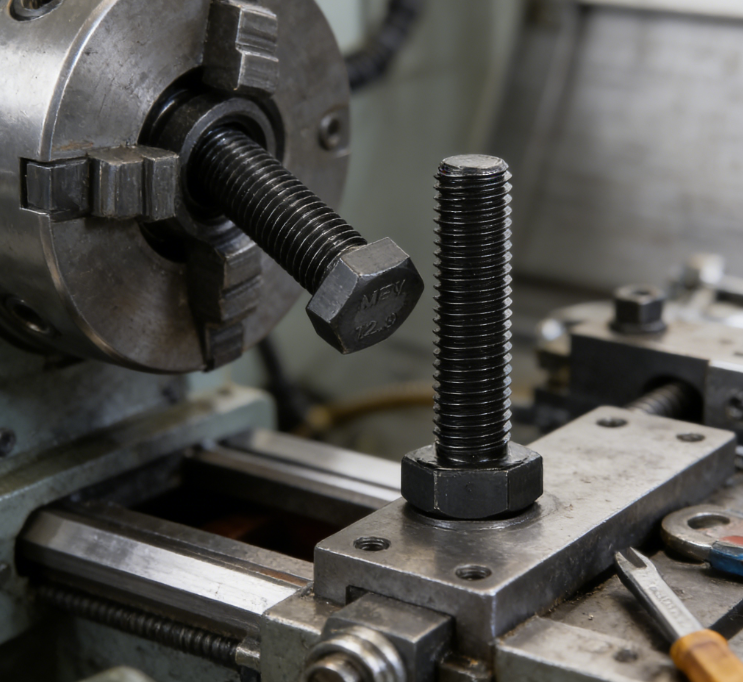
Common Applications for High Tensile Fasteners
Where do you actually use a 12.9 Grade Hex Head Bolt? These are not for your backyard fence. They belong in high-risk engineering.
Automotive Engine Assembly
Engines generate massive internal pressure. Cylinder heads require extreme clamping force. Grade 12.9 bolts keep the engine block sealed. They withstand constant thermal cycling.
Heavy Construction Machinery
Excavators and cranes lift tons of weight. Their joints experience violent shearing forces. High-tensile bolts prevent structural collapse. They ensure the safety of the operators.
Wind Turbine Installation
Wind turbines face constant, varying wind loads. The blades and tower sections must stay rigid. Grade 12.9 fasteners provide the necessary fatigue resistance. They reduce the need for frequent maintenance.
Best Practices for Installation and Maintenance
Proper selection is only half the battle. Installation determines the lifespan of the joint. Follow these professional tips.
Use a Calibrated Torque Wrench
Never guess the tightness. A manual wrench leads to errors. Use a calibrated digital torque wrench. This ensures consistent clamping force across all bolts.
Avoid Hydrogen Embrittlement
Electroplating can trap hydrogen in the steel. This makes high-strength bolts brittle. Professional suppliers perform a “baking” process. This removes the hydrogen safely. Only buy from reputable, certified manufacturers.
Regular Inspection Schedules
High-stress joints require periodic checks. Look for signs of “necking” or stretching. Check for cracks using dye penetrants. Replace any bolt that shows visible wear.
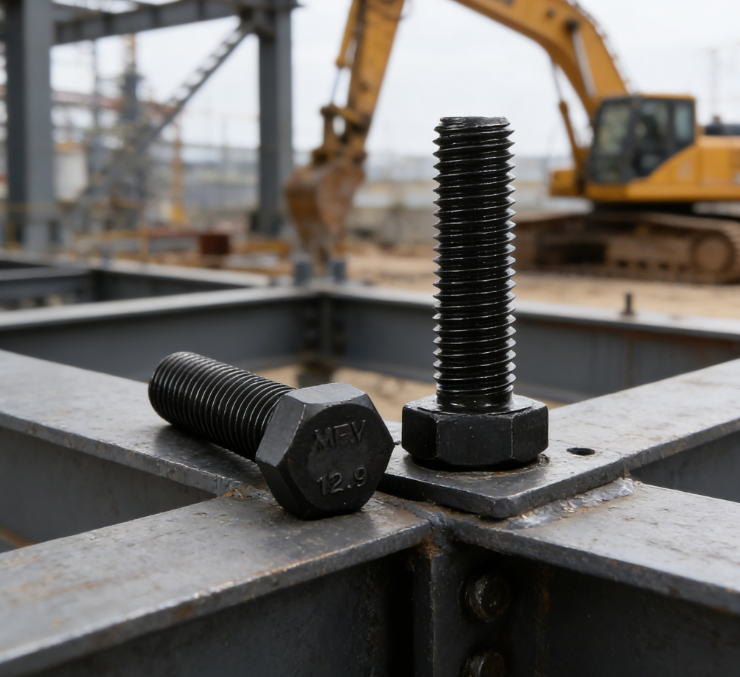
Comparing Grade 12.9 with Grade 10.9 and 8.8
| Feature | Grade 8.8 | Grade 10.9 | Grade 12.9 |
| Tensile Strength | 800 MPa | 1040 MPa | 1200 MPa |
| Material | Medium Carbon Steel | Alloy Steel | Quenched Alloy Steel |
Grade 12.9 offers the highest safety margin. However, it is less ductile than Grade 8.8. Choose 12.9 when strength is the absolute priority.
Conclusion
Choosing the right high-precision hex head bolt ensures long-term success. You must prioritize material quality and precise dimensions. Evaluate your load needs carefully. Consider the environment to select the right coating. Reliable fasteners protect your equipment and your team. Do not settle for low-quality hardware. Invest in high-tensile excellence for your next project.