



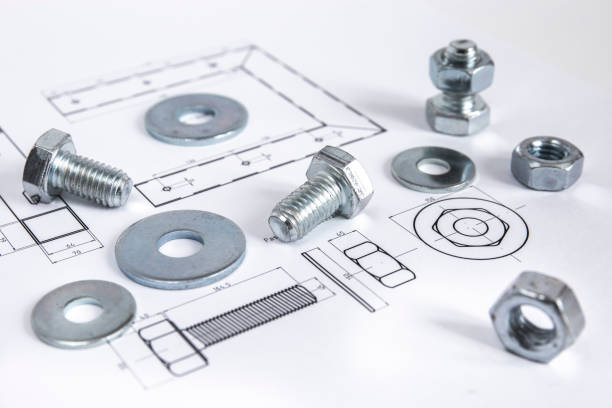
Industrial machines face extreme stress during daily operations. Constant vibration and high heat can weaken any structure. Therefore, the strength of a machine depends on its joints. Small components play a massive role in long-term performance. Specifically, general manufacturing fasteners act as the essential backbone of every assembly.
These small parts ensure that heavy components stay perfectly aligned. Without high-quality hardware, expensive equipment fails very quickly. In this guide, we explore how fasteners boost industrial durability. We will look at materials, designs, and maintenance tips. Let us secure the future of your production line.
The Critical Role of Fasteners in Heavy Machinery
Fasteners do much more than just hold parts together. they distribute loads and prevent structural fatigue effectively. Quality general manufacturing fasteners reduce the risk of sudden mechanical failure.
Preventing Loosening from Constant Vibration
Many machines vibrate at very high frequencies during work. This movement naturally tries to unscrew standard bolts and nuts. However, specialized fasteners include locking features to resist this force. This keeps the machine stable during even the most intense tasks.
Maintaining Precise Component Alignment
Precision is vital for CNC machines and robotic arms. Even a tiny shift in a joint ruins the output. High-grade fasteners maintain the exact tolerances required for professional work. This ensures your products meet quality standards every single time.
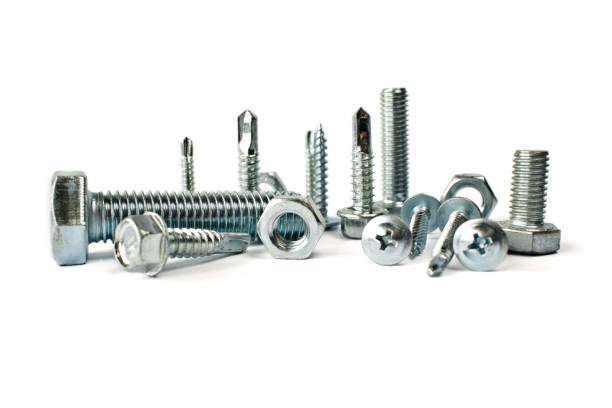
Key Types of Fasteners Used in Modern Factories
Not all bolts are the same in the industrial world. Engineers choose specific types based on the environmental stress factors.
-
Socket Head Cap Screws: These provide high tensile strength in tight spaces.
-
Heavy Hex Bolts: These are ideal for large-scale structural steel assemblies.
-
Locking Washers: They prevent hardware from turning due to external shocks.
-
Structural Rivets: These create permanent, high-strength bonds between metal sheets.
Choosing the right manufacturing fasteners is a science. It requires knowledge of torque, tension, and material science.
Materials That Withstand Harsh Industrial Environments
The environment dictates which material a manufacturer should choose. Harsh chemicals or moisture can destroy standard steel in weeks.
Stainless Steel for Corrosion Resistance
Many factories deal with liquids or high humidity levels. Stainless steel fasteners prevent rust from eating into the machine. This keeps the joints strong for many years of service. It also makes future maintenance much easier for your team.
High-Tensile Alloy Steels for Heavy Loads
Heavy-duty cranes and presses require incredible strength levels. Alloy steels can handle thousands of pounds of direct pressure. These general manufacturing fasteners do not snap under extreme load conditions. They provide a high safety margin for your entire facility.
Improving Durability Through Advanced Coatings
Raw metal often needs extra protection to survive the shop floor. Modern coatings add a vital layer of defense.
-
Zinc Plating: This offers basic rust protection at a low cost.
-
Galvanization: A thick zinc layer for outdoor or wet conditions.
-
Black Oxide: This improves lubricity and adds mild corrosion resistance.
-
Teflon Coatings: These reduce friction and prevent parts from “galling.”
These coatings extend the life of your hardware significantly. They also prevent “cold welding” during high-speed assembly processes.
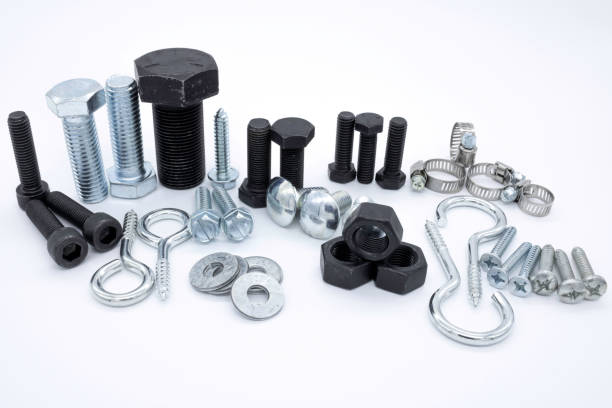
Technical Comparison: Standard vs. Industrial Fasteners
| Feature | Standard Grade Hardware | General Manufacturing Fasteners |
| Tensile Strength | Low to Moderate | High to Ultra-High |
| Thread Precision | Basic Tolerances | Micron-Level Accuracy |
| Fatigue Life | Limited Cycles | Extended Life Ratings |
| Vibration Resistance | Poor | Excellent (With Locking Tech) |
| Traceability | Often None | Full Batch Documentation |
Reducing Maintenance Costs with Quality Hardware
Cheaper fasteners often lead to much higher long-term costs. Breaking a bolt inside a machine causes massive downtime.
Minimizing Downtime for Repairs
An industrial machine earns money only when it is running. High-quality general manufacturing fasteners rarely fail unexpectedly. This means your team spends less time fixing broken joints. It keeps your production schedule on track every single month.
Enhancing Safety for Your Workers
A failing fastener can lead to dangerous mechanical accidents. High-strength hardware protects your staff from flying parts or collapses. This reduces insurance risks and creates a safer work culture. Investing in quality is an investment in your people.
Future Trends in Fastener Technology for 2026
Fasteners are becoming smarter as we move toward Industry 4.0. We are seeing new innovations in the hardware sector.
-
Smart Bolts: These sensors monitor tension and alert your phone.
-
Eco-Friendly Coatings: New finishes remove toxic chemicals from the process.
-
3D Printed Fasteners: Custom shapes for complex aerospace and medical parts.
These trends rely on the reliability of general manufacturing fasteners. They allow for a fully automated and predictable factory floor.
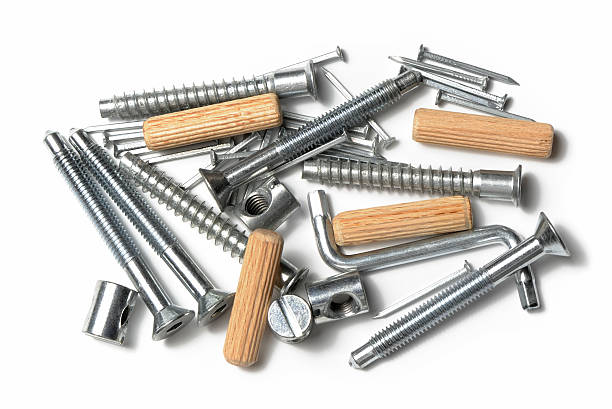
The Small Parts That Build Big Success
Durability is the result of many small, correct choices. Selecting general manufacturing fasteners is one of the most important steps. These components protect your machines, your workers, and your profits.
Do not settle for “good enough” when it comes to assembly. Choose hardware that can handle the heat, pressure, and vibration. High-quality fasteners turn a good machine into a great one. Build with confidence and ensure your equipment lasts for decades. Start your journey toward a more durable factory today.