



Using precision self tapping screws for aluminum completely resolves the persistent issue of loose joints in modern manufacturing. This strategic engineering selection guarantees exceptional clamp loads while preventing structural thread galling during automated assembly runs.
Standard generic wood or drywall screws frequently strip out delicate aluminum threads because their crude pitches tear soft parent metals. Conversely, dedicated industrial fasteners tap their own perfect matching pathways without shaving away vital structural walls.
Furthermore, this clean mechanical engagement keeps your multi-metal assemblies structurally secure under heavy, continuous operational stress. Ultimately, this reliable hardware foundation protects your engineering budgets while lowering costly field product structural failures. Now, let us analyze the hidden mechanical bottlenecks that make uncertified standard screws highly risky for light-alloy projects.
The Soft Metal Bottleneck: Why Generic Fasteners Ruin Aluminum Assemblies
Every experienced production manager understands the deep frustration of cross-threaded joints slowing down a fast-moving assembly line. This costly structural breakdown usually happens because technicians use standard hard steel screws on soft alloy parts.
How Incompatible Thread Pitches Over-Stress and Strip Delicate Aluminum Extrusions
Aluminum possesses excellent lightweight strength but remains significantly softer than heavy carbon steel structural components. When you drive a generic coarse-thread screw into an unthreaded alloy pilot hole, the hard steel cuts too aggressively.
Consequently, the process shears the newly formed internal metal tracks, reducing them to useless silver powder. This structural stripping destroys your joint’s load capacity, causing assemblies to fall apart under light shipping vibrations.
Why Galvanic Chemical Reactions Trigger Accelerated Joint Corrosion Over Time
Placing bare carbon steel fasteners directly into aluminum plates creates a hidden, active battery cell environment. When rainwater or atmospheric humidity touches this mixed-metal junction, a severe electrochemical reaction begins silently.
As a result, the surrounding aluminum corrodes rapidly, forming a brittle white powder that weakens the entire joint. Therefore, utilizing specialized coated or stainless hardware remains vital to protect your structural integrity.
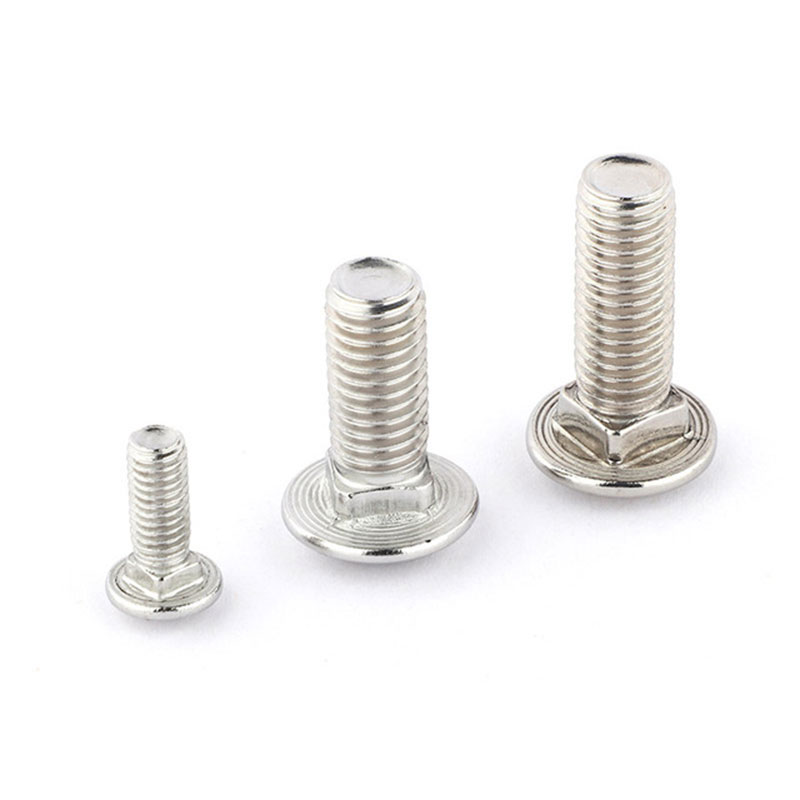
Technical Core: Deconstructing the Mechanics of Aluminum Self-Tapping Fasteners
To conquer these difficult fastening challenges, industrial component engineers completely re-engineered classic thread geometries. Modern specialized hardware options combine sharp, indented cutting points with tailored thread-forming shoulders to optimize assembly speed.
Harnessing Swage-Forming Thread Lobes for Maximum Material Retention
Elite industrial screws utilize a unique trilobular body shape instead of a perfectly round cylinder design. This clever geometric layout allows the screw to roll or compress the soft aluminum walls into shape gradually.
Consequently, the process thickens the surrounding metal grain structure rather than carving it away like a drill bit. Your assemblies gain a tight, zero-clearance fit that seals out moisture and resists loosening over years of service.
The Decisive Mechanical Value of Specialized Tips and Coatings
Industrial manufacturers apply advanced protective chemical treatments to prevent early joint failures on structural frames:
-
Type F Cutting Points: Feature multiple chip-flute cutouts to clear away soft metal debris cleanly during installation.
-
Organic Zinc-Flake Coatings: Create a durable barrier that stops galvanic corrosion between different metals completely.
-
Waxed Internal Lubricants: Reduce driving friction torque spikes to stop screws from snapping under high-speed tools.
-
Undercut Serrated Heads: Bite into the top metal plate surface to lock the fastener tightly against vibration loops.
Performance Matrix: Standard Sheet Metal Screws vs. Aluminum Self-Tappers
| Fastening Performance Metric | Standard Sheet Metal Screws | Advanced Self-Tapping Screws for Aluminum |
| Internal Thread Quality | Poor (Tears and strips soft alloys easily) | Perfect (Forms smooth, compacted metal tracks) |
| Vibrational Pull-Out Resistance | Low (Loosens quickly under moving loads) | Exceptional (Trilobular body locks into place) |
| Galvanic Corrosion Protection | None (Triggers rapid metal oxidation) | Maximum (Special coatings insulate the joint) |
| Installation Torque Stability | Unpredictable (Screws snap or spin out) | Smooth Profile (Maintains low, consistent driving resistance) |
| Pre-Drilling Requirements | Requires strict, precise tapping steps | Eliminates secondary tapping to save time |
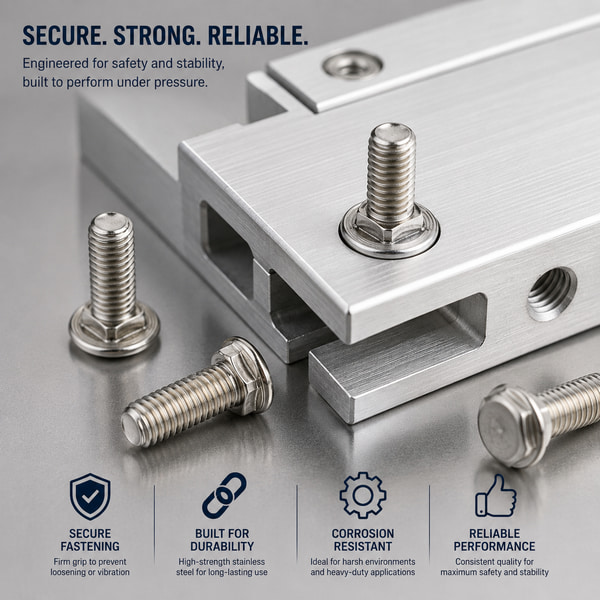
Strategic Plant Benefits: Slicing Assembly Times and Trimming Production Scrap
Integrating high-performance high thread fastening solutions into your factory workflow yields immediate financial rewards. This simple hardware shift transforms slow, error-prone manual tapping steps into a highly predictable, automated manufacturing sequence.
Eliminating Expensive Secondary Tapping Steps to Cut Bench Labor Hours
Traditional metal assembly methods require workers to drill a pilot hole and use a separate tap tool to cut threads. This multi-step process doubles your labor expenses and requires constant tool replacement budgets for broken taps.
In contrast, a self-tapping fastener executes the threading and locking functions in one single, high-speed power tool stroke. This streamlined movement slashes your assembly cycle times, allowing your team to ship more finished products daily.
Lowering Quality Rejection Rates by Mitigating Human Cross-Threading Errors
Even skilled factory workers make minor alignment mistakes when trying to start pre-cut screws into hard metal threads manually. A slightly tilted screw jams instantly, ruining the expensive custom aluminum extrusion frame beyond simple repair.
Because self-adjusting points align themselves automatically inside pilot holes, they remove human error from the equation completely. This mechanical accuracy slashes your factory scrap rates, protecting your net manufacturing profit margins.
Quality Blueprint: Ensuring Flawless Mechanical Connections on Product Lines
Achieving elite joint performance requires matching your pilot hole diameters to the specific alloy hardness of your materials. Ensure your quality control inspectors verify these crucial manufacturing metrics before launching high-volume production runs.
-
Verify Alloy Hardness Grades: Adjust your drill sizes upwards when fastening brittle 6061-T6 aluminum plates.
-
Audit Driver Clutch Settings: Set tool torque limits carefully to prevent over-tightening after the head seats down.
-
Check Material Sheet Thickness: Ensure at least two full screw thread pitches engage with the parent metal wall.
-
Inspect Cutting Flute Paths: Confirm that your screw flutes remain free of sticky aluminum buildup during runs.
Following this straightforward technical progression prevents sudden assembly strip-outs, ensuring your metal connections remain rock solid. It builds an ideal structural foundation that allows your finished goods to survive rugged shipping transit conditions easily.
FAQ:
What is the practical difference between thread-cutting and thread-forming self-tapping screws?
Thread-cutting screws feature sharp flutes that carve away metal chips, making them ideal for dense, hard aluminum castings. Thread-forming variants possess blunt, lobed shapes that push soft metal out of the way without creating debris. Choosing thread-forming models keeps your internal electronics bays clean and free from conductive metal shavings.
Can I reuse a self-tapping screw inside the exact same aluminum pilot hole twice?
You can reinstall the fastener safely if you start the threads by hand gently to find the original path first. However, driving the screw back in at a new angle will cut a second set of tracks, stripping the hole out completely. For critical structural joints, we always recommend using a fresh piece of hardware to ensure maximum holding power.
Why do some stainless steel self-tapping screws snap off during high-speed installation runs?
Stainless steel offers excellent rust defense but lacks the extreme torsional strength of heat-treated carbon steel fasteners. Driving them into small pilot holes at high speeds generates intense friction heat that binds the metals together instantly. This sudden seizure twists the screw head off before the tool clutch can release its power.
How do I determine the perfect pilot hole size for a new aluminum casting assembly?
Your component supplier provides detailed engineering documentation linking specific screw diameters to recommended drill bit sizes. Generally, softer aluminum alloys require slightly smaller pilot holes to maximize the total depth of the formed thread wall. Running a brief physical pull-out test on your specific alloy sheet ensures your joint targets match perfectly.
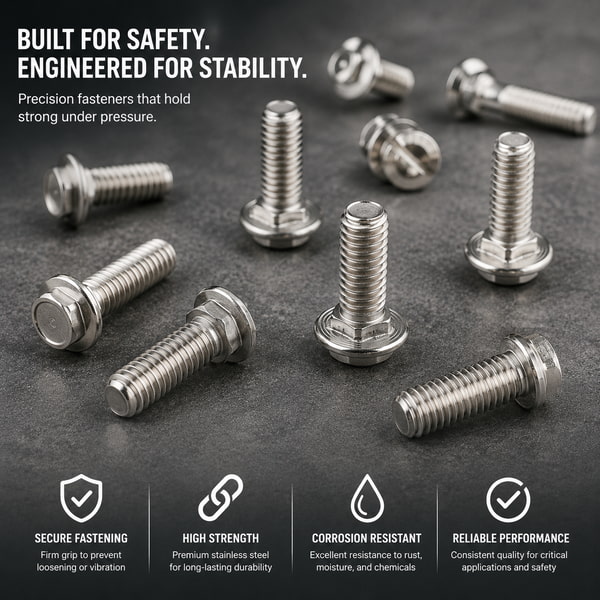
Modernize Your Hardware Standards to Secure Long-Term Value
Relying on generic sheet metal screws leaves your precision aluminum assemblies highly vulnerable to structural joint failure. You cannot expect to win long-term commercial contracts if your products constantly loose screws during client field operations. Upgrading your fastening infrastructure to utilize premium self tapping screws for aluminum redefines your product durability completely. This simple upgrade pairs advanced thread engineering with smart coatings to insulate joints from vibration and rust.
Stop letting stripped threads and messy field failures compromise your brand’s manufacturing reputation this business quarter. Invest in field-proven, high-performance hardware components that stabilize your assembly lines and deliver predictable clamp loads. Your shop technicians will love the smooth driving action, and your clients will appreciate the lasting product quality. Modernize your industrial sourcing strategy today to secure total operational control over your physical product lines.