



Vehicle safety often starts with the smallest components. Most drivers focus on airbags or brakes. However, the exterior shell relies on thousands of hidden parts. These parts keep bumpers, mirrors, and panels secure. A high-quality automotive fastener solution is therefore essential for safety. It ensures that exterior components stay attached during high speeds. This guide explores how advanced fasteners protect drivers and pedestrians. We will examine materials, design, and real-world performance.
The Critical Role of Fasteners in Exterior Integrity
Exterior parts face extreme stress every single day. Wind resistance at high speeds creates constant pulling forces. Road vibrations try to shake every bolt loose. Consequently, standard screws are simply not enough for cars. You need specialized hardware built for the road.
Preventing Component Detachment at High Speeds
Imagine a side mirror falling off on a highway. This creates an immediate hazard for other drivers. Advanced fasteners use locking threads to prevent this. They stay tight even under intense wind pressure. This keeps the vehicle’s aerodynamic profile stable and safe.
Managing Impact Energy During Collisions
In a crash, the exterior must absorb energy. Fasteners play a vital role in this process. They allow parts to crumple or detach safely. This prevents large metal sheets from becoming dangerous projectiles. A smart automotive fastener solution considers these crash physics.
Technical Features of Safety-First Fasteners
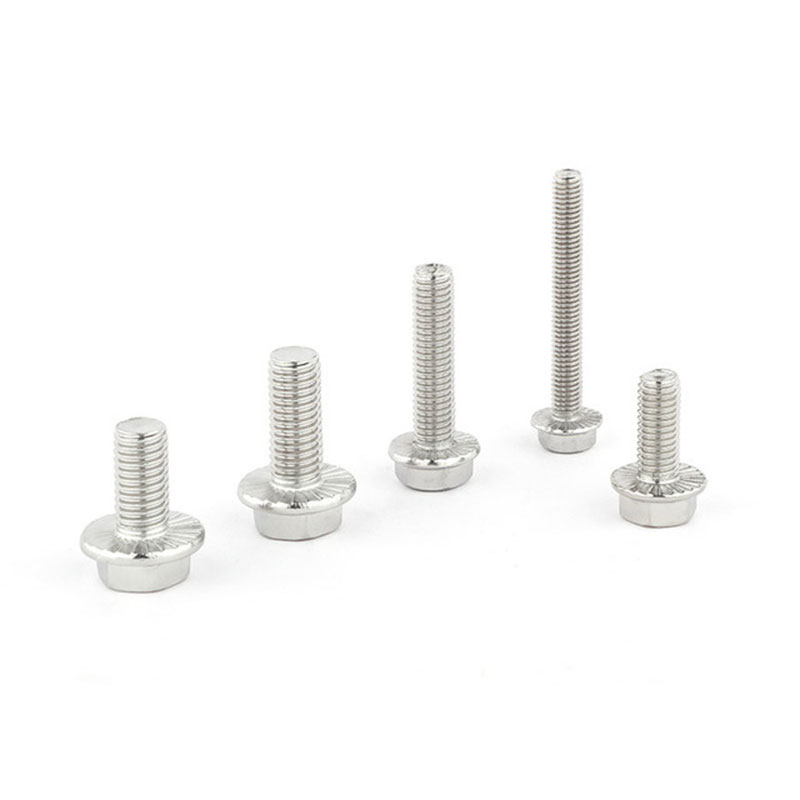
Modern engineering has transformed simple bolts into safety tools. These features address the specific needs of vehicle exteriors.
Vibration Resistance and Locking Mechanisms
Vibration is the primary cause of fastener failure. Engineers now use nylon inserts or “patch” coatings. These materials create friction within the thread. This prevents the screw from turning on its own. Your car stays quiet and secure for years.
Corrosion Resistance for Harsh Weather
Exteriors face rain, snow, and road salt constantly. Rust can weaken a metal fastener very quickly. Therefore, top-tier solutions use zinc-nickel or Geomet coatings. These layers block moisture and prevent structural rot. Secure parts depend on rust-free connections. [Explore Hardware That Truly Meets Security Grade Certifications] to Understand These Security Standards.
Lightweight Materials for Modern EVs
Electric vehicles need to reduce weight for better range. High-strength plastics and aluminum fasteners are now common. These materials offer great grip without adding heavy mass. They also resist the chemical cleaners used in car washes.
Learning from the Industry: A Reddit Case Study
Real-world failures highlight the importance of quality. On the r/AutoBody forum, a professional shared a warning. They discussed the danger of using “generic” clips.
“A client used cheap Amazon clips for a bumper. At 70 mph, the air pressure ripped the guard off. It damaged the undercarriage and scared the driver. We only use OEM-spec automotive fastener solutions now. Saving five dollars is not worth a highway accident.”
This story proves that “good enough” is dangerous. Proper fasteners ensure that repairs meet original safety levels. Do not compromise on the parts that hold your car together.
Improving Pedestrian Safety Through Design
Vehicle exteriors must protect people outside the car too. Fastener design contributes to this “soft” exterior goal.
Flush-Mounting and Rounded Profiles
Protruding bolts can cause severe injuries in a collision. Modern fasteners sit flush with the car’s body. They often feature rounded or smooth plastic caps. This reduces the risk of cutting or snagging pedestrians. Safety is a 360-degree responsibility for car makers.
Controlled Breakaway Points
Some exterior parts must break away upon impact. This includes hood ornaments and certain trim pieces. Engineers design “sacrificial” fasteners for these items. They snap at a specific force to prevent injury. This is a key part of European safety ratings. [Explore DIEGUAN Industry Applications] for more design insights.
The Importance of Proper Installation Torque
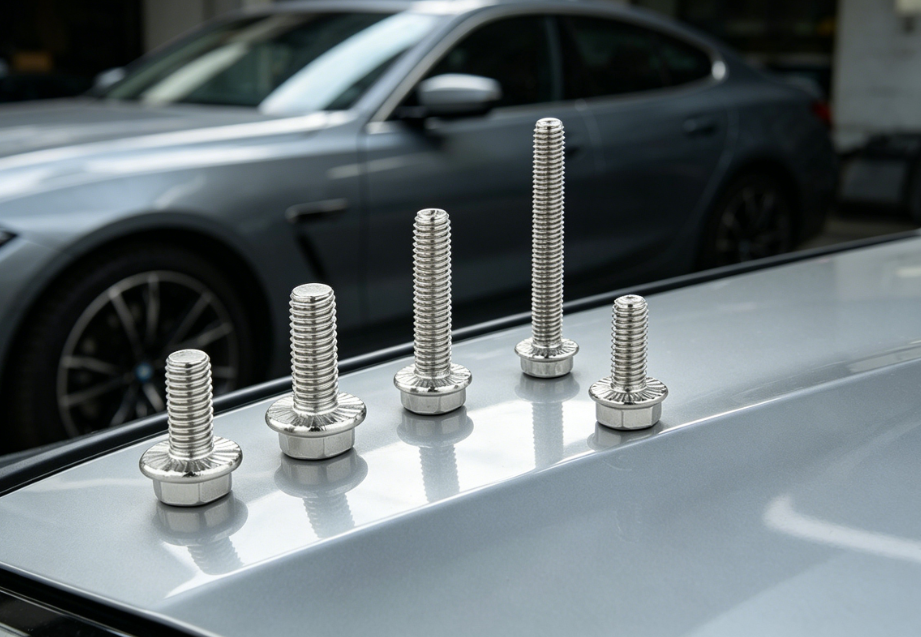
The best fastener can fail if installed incorrectly. Torque control is vital for exterior safety.
-
Under-tightening: Parts will rattle and eventually fall off.
-
Over-tightening: This can crack plastic panels or strip threads.
-
Consistency: Every bolt must share the load equally.
-
Tools: Professionals use calibrated torque wrenches for every job.
An integrated automotive fastener solution includes clear torque specs. This ensures that every technician achieves a factory-grade seal. Precision leads to long-term reliability on the road.
Why Quality Fasteners Reduce Long-Term Costs
High-quality parts are a smart financial investment. They prevent expensive secondary damage to your car.
Reducing Warranty Claims for Manufacturers
Loose trim is a common reason for customer complaints. By using better clips, brands reduce service visits. This saves millions in labor and replacement costs. It also keeps customer satisfaction scores very high.
Enhancing the Resale Value of Vehicles
A car that feels solid sells for more. Noisy or vibrating exteriors suggest poor overall maintenance. Premium fasteners keep the car feeling “new” for longer. Buyers notice the difference in build quality immediately. Quality is a silent salesman for your vehicle.
Safety Starts with the Small Stuff
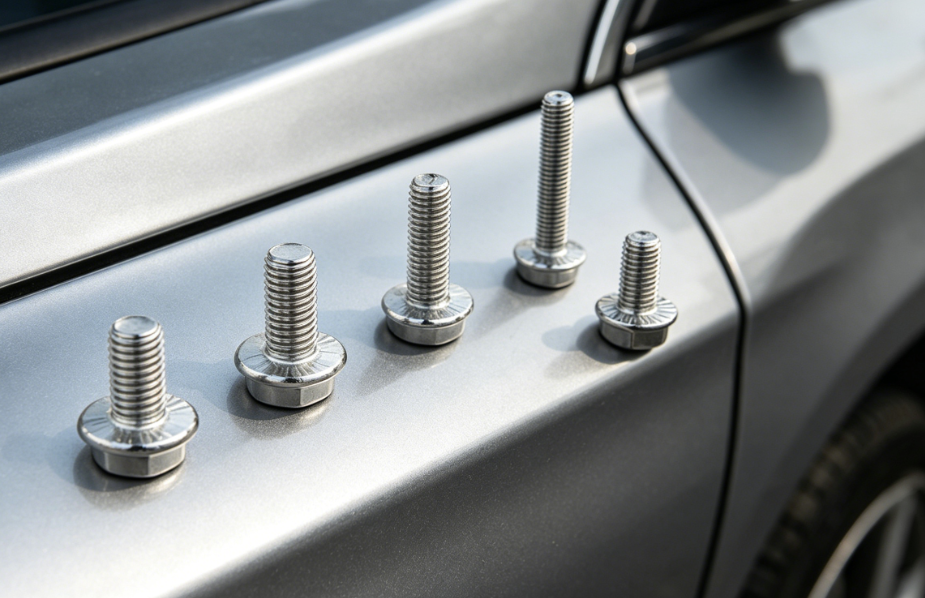
Exterior safety is a complex engineering challenge. An advanced automotive fastener solution provides the answer. These parts resist vibration, rust, and high-speed winds. They protect the driver and everyone on the road.
Do not overlook the hardware in your next project. Choose fasteners that meet or exceed factory standards. Your vehicle’s integrity depends on these tiny heroes. Invest in quality and drive with total confidence. Safety is always worth the extra attention to detail. What is holding your car together today?