



Modern construction demands extreme durability and safety. Engineers constantly seek materials that withstand harsh environments. Consequently, the choice of fasteners determines the lifespan of any building. Bolt nut stainless steel components play a vital role in this process.
Standard steel often fails due to rust and environmental stress. However, stainless steel offers a superior alternative for critical joints. It provides a unique combination of strength and chemical resistance. This makes it the preferred choice for infrastructure projects worldwide.
The Foundation of Structural Integrity
Structural integrity means a building carries its load safely. Fasteners act as the “sinews” of a steel frame. Therefore, using premium bolt nut stainless steel ensures that joints remain tight.
High Tensile Strength
Stainless steel alloys provide excellent mechanical properties. They resist deformation under heavy physical pressure. Because of this, skyscrapers remain stable during high winds. Furthermore, these bolts maintain their grip during seismic events.
Fatigue Resistance
Buildings vibrate and shift over time. This constant movement causes “fatigue” in lower-quality metal. Stainless steel handles cyclical stress much better than carbon steel. Consequently, maintenance teams perform fewer emergency repairs on bolted connections.
Why Corrosion Resistance Is a Game Changer
Corrosion is the greatest enemy of structural safety. Once rust starts, it expands and weakens the metal. Eventually, the fastener may snap or lose its tension.
Protecting Against Oxidation
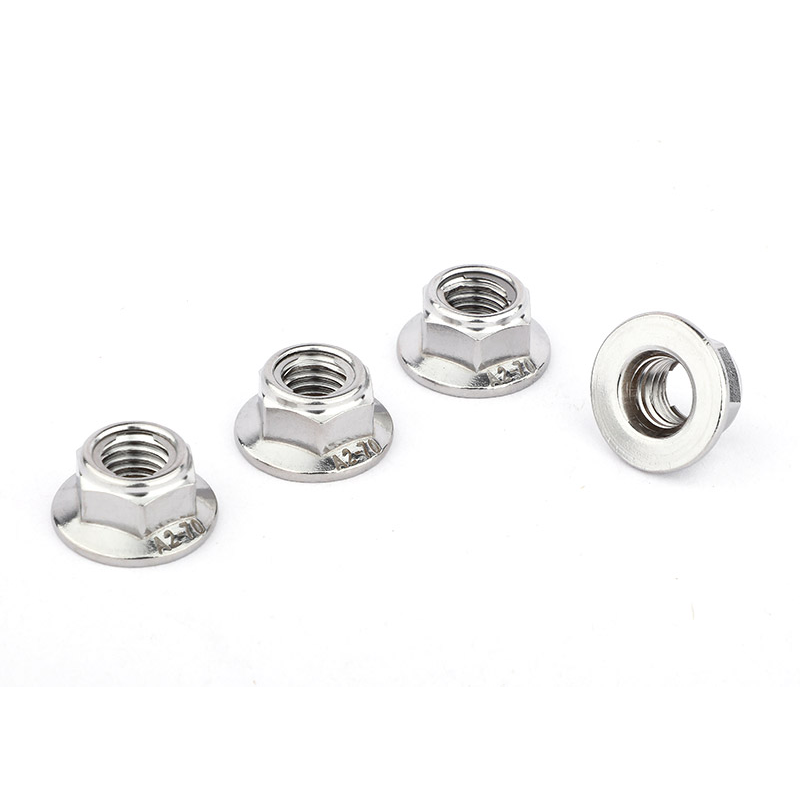
The chromium in bolt nut stainless steel forms a protective layer. This invisible film prevents oxygen from reaching the core metal. As a result, the fastener does not rust even in humid air. This property is essential for coastal construction projects.
Chemical and Pollution Resistance
Urban environments contain high levels of sulfur and nitrogen. These pollutants accelerate the decay of traditional hardware. Fortunately, stainless steel resists chemical attacks effectively. It maintains its polished surface and internal strength for decades.
Technical Specifications of High-Performance Fasteners
Choosing the right grade of stainless steel is crucial. Most construction projects use Grade 304 or Grade 316. Each offers specific benefits for different environments.
Grade 304 vs. Grade 316
| Feature | Grade 304 Stainless |
| Common Use | Standard buildings |
| Corrosion Level | High |
| Molybdenum | No |
| Cost | Budget-friendly |
Precision Engineering Standards
Quality bolt nut stainless steel must follow strict manufacturing rules. This ensures that every thread fits perfectly. Precise threading prevents “galling” or seizing during installation. High-quality threads also distribute the load evenly across the nut.
Enhancing Longevity with Proper Installation
Even the best materials require correct handling. Professional installers follow specific steps to maximize integrity.
Torque Management
Applying the correct amount of force is essential. Too much torque can stretch the bolt. Conversely, too little torque allows the joint to slip. Modern tools ensure that every bolt nut stainless steel set is tightened perfectly.
Anti-Galling Lubrication
Stainless steel can sometimes stick during high-speed assembly. Using specialized lubricants prevents this friction-based damage. This ensures that the fastener remains easy to inspect or replace later. Check out our fastener installation for professional tips.
Economic Benefits of Stainless Steel Fasteners
Some developers worry about the initial cost of stainless steel. However, the long-term ROI is much higher than carbon steel.
Reduced Lifecycle Costs
You save money by avoiding frequent replacements. Stainless steel fasteners often last as long as the building itself. Therefore, building owners face lower long-term maintenance expenses.
Enhancing Property Value
Buildings made with high-quality materials hold higher resale values. Buyers appreciate the safety and durability of stainless steel components. Investing in bolt nut stainless steel is a smart financial strategy.
Sustainable Construction and the Environment
Sustainability is a core focus in modern engineering. Stainless steel is one of the most recycled materials globally.
100% Recyclability
At the end of a building’s life, the bolts can be melted down. They become new steel without losing any quality. This supports a circular economy in the construction industry.
Lower Carbon Footprint
Because they last longer, you produce fewer replacement parts. This reduces the total energy used for manufacturing over time. Choosing bolt nut stainless steel aligns with green building certifications like LEED.
【Frequently Asked Questions】
Many clients ask about the specifics of using stainless steel in large projects.
Can stainless steel be used with aluminum?
You must be careful with galvanic corrosion. Using insulating washers helps prevent chemical reactions between different metals. Always consult an engineer for mixed-material joints.
Does stainless steel lose strength in heat?
Certain grades of stainless steel handle high temperatures very well. They maintain their structural integrity better than many other alloys. This makes them ideal for fire-resistant designs. Explore our guide on industrial alloy properties for more data.
Securing the Future of Construction
Structural integrity is the most important factor in any build. Without reliable fasteners, even the grandest designs can fail. Bolt nut stainless steel provides the strength and protection needed today. It resists rust, handles heavy loads, and lasts for generations. By choosing high-quality fasteners, you ensure the safety of everyone inside. Do not settle for cheaper materials that put your project at risk. Invest in the durability of your next project now. Contact a specialized supplier to find the perfect bolt nut stainless steel solutions. Your building deserves the best protection available in the market.