



Installing a corrugated metal roof requires extreme structural precision to prevent future building damage. Heavy winds and driving rain constantly stress the thin metal sheets covering your structure. If you use weak, unoptimized construction fasteners, your entire roofing system will eventually fail. Traditional round screws slip during high-speed installation, which scratches the protective panel coatings. Worse yet, these loose attachments allow moisture to seep inside your attic space silently.
Fortunately, professional roofing contractors rely on a specific hardware solution to eliminate these costly installation hazards. Utilizing a heavy-duty hex head screw self tapping fastener is absolutely mandatory for securing corrugated metal panels. This specialized hardware combines immense driving torque with an integrated weatherproof sealing washer system. It ensures your building remains bone dry and structurally sound through the harshest seasonal storms. Let us examine the mechanical engineering reasons why hex-driven fasteners dominate the modern metal roofing industry.
The Fatal Flaws of Standard Wood and Phillips Screws
To appreciate hex drives, we must analyze why traditional cross-recessed screws fail on metal sheets. Standard Phillips or wood screws simply cannot handle the physical demands of metal-to-metal roofing installations.
The Nightmare of Driver Cam-Out
When you apply heavy downward pressure to a Phillips screw, the driver bit naturally slips upward. This annoying mechanical slipping action is known throughout the construction industry as cam-out. Cam-out strips the screw head instantly, leaving you with a useless, half-driven steel fastener. Furthermore, the spinning steel bit skates across your new roofing panel, tearing off the expensive anti-rust paint.
Inadequate Torque Transfer Capacities
Piercing thick structural steel purlins requires substantial rotational force from your commercial impact driver. Standard round-headed screws distribute this force across a very narrow internal surface area. Consequently, the screw heads frequently snap right off under heavy torque loads. This hardware failure stalls your installation workflow and leaves dangerous, open puncture holes in your roofing layout.
The Mechanical Dominance of Hex Head Geometries
Switching to a hexagonal drive style shifts your fastening physics from internal friction to external socket locking.
Eliminating Driver Slippage Completely
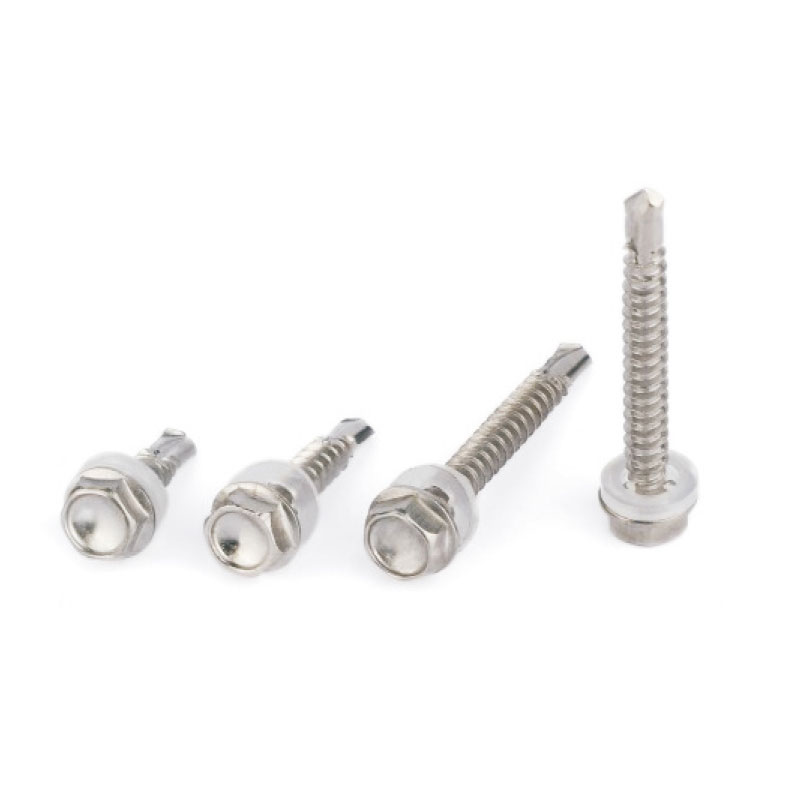
A hexagonal drive head features six solid, flat exterior walls that lock deeply into a magnetic nutsetter socket. This external mating design transfers rotational energy directly from your power drill to the screw shank. The driver bit cannot slip out or strip the metal head, regardless of your driving speed. This absolute stability allows you to install thousands of roofing screws quickly without a single mechanical error.
Delivering Massive Clamping Force Safely
Because hex heads prevent driver slippage, you can apply maximum tightening torque to every single joint. This immense force pulls the flexible corrugated metal sheet tight against the heavy steel frame underneath. A tight joint prevents the metal panels from rattling loudly during high-wind storms. It creates a solid, unified structural envelope that increases the overall shear strength of your building.
-
Positive Socket Engagement: Six distinct pressure points eliminate bit wobble and driver alignment errors.
-
Flawless High-Speed Driving: Fasteners install smoothly at high RPMs without damaging your driving tools.
-
Reduced Physical Operator Fatigue: Workers do not need to lean heavily on the drill to maintain traction.
-
Easy Seasonal Extraction: You can easily back the screws out for roof renovations even after decades of weathering.
How Self-Tapping Points Streamline Construction Workflows
Traditional metal drilling requires a tedious two-step process of pre-drilling pilot holes before inserting individual screws.
Merging Drilling and Fastening Steps
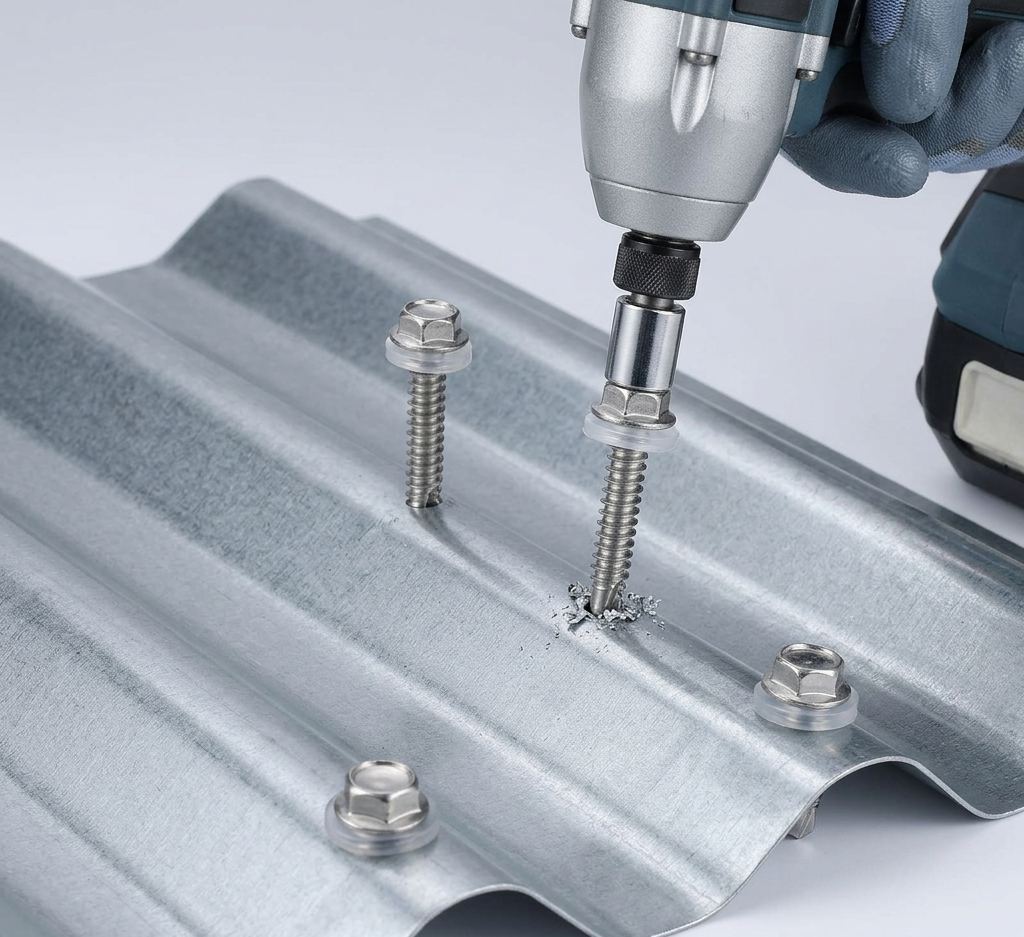
A premium hex head screw self tapping fastener features a hardened steel point shaped like a miniature drill bit. As the screw spins, this integrated tip cuts a perfectly matched hole through the corrugated panel instantly. It clears away metal shavings smoothly while the main screw threads engage the hole immediately afterward. This brilliant all-in-one design cuts your total roofing installation labor time exactly in half.
Creating a Perfect High-Tolerance Thread Fit
When you drill a separate pilot hole manually, the opening often turns out slightly oval or oversized. This sloppy fit allows the screw to wobble, which compromises your long-term water defenses. Self-tapping tips tap their own receiving threads with micro-millimeter precision as they enter the metal frame. This high-tolerance connection maximizes thread friction, preventing the fasteners from backing out due to building vibrations.
The Crucial Role of EPDM Weatherproof Sealing Washers
Piercing a metal roof creates a permanent pathway for water to enter your building structure. Therefore, every screw must carry its own independent, long-lasting hydraulic barrier to seal out rain.
Compressing the Synthetic EPDM Matrix
Professional roofing fasteners feature an integrated metal backing washer lined with a thick layer of EPDM rubber. EPDM stands for Ethylene Propylene Diene Monomer, a synthetic rubber that resists extreme heat and UV exposure. As you drive the hex head down, the metal washer crushes the EPDM gasket flat against the panel. This compression forces the rubber to swell inward, sealing the screw shank puncture hole completely.
Surviving Decades of Intense Solar UV Radiation
Cheap neoprene washers dry out, crack, and turn into brittle powder within a few years of solar exposure. Once the washer fails, rainwater slides right down the screw threads into your wooden roof deck. High-grade EPDM retains its rubbery elasticity through freezing winter snows and blistering summer heat waves. It maintains a flexible, watertight seal that expands and contracts alongside your shifting metal roof.
Fastener Lifespan: Carbon Steel vs. Stainless Alloys
Choosing the correct metal alloy for your roofing screws prevents premature structural rust failures. You must match your fastener material to your local climate conditions and budget targets.
Zinc-Coated Carbon Steel Options
Standard roofing screws utilize heat-treated carbon steel coated with a protective layer of zinc or ceramic plating. This economical configuration delivers excellent structural strength and good rust protection for dry inland climates. However, the thin protective plating can scratch off during aggressive high-torque installations. For coastal projects exposed to salty ocean air, upgrading to premium alloys is highly recommended.
Bi-Metal and Stainless Steel Upgrades
Premium bi-metal roofing screws feature a stainless steel body welded to a hardened carbon steel tapping tip. The carbon tip drills through tough steel frames easily, while the stainless body resists corrosion indefinitely. This high-end design eliminates the risk of rusty screw heads bleeding orange stains across your clean roof. It ensures your fastening hardware outlasts the thirty-year lifespan of your premium metal panels.
Avoiding Common Installation Mistakes in the Field
Even the best construction hardware will fail if your field crew applies improper installation techniques. Avoid these three common fastening errors to protect your metal roofing warranty.
-
Over-Driving the Fastener: Excessive torque crushes the EPDM washer completely out of its metal cup, causing early rubber failure.
-
Under-Driving the Fastener: Insufficient torque leaves the rubber gasket loose, allowing driving rain to slide under the washer.
-
Driving at an Angle: Inserting screws crookedly prevents the washer from seating flat, creating a permanent gap for leaks.
Properly tuning your power drill’s mechanical clutch prevents these costly errors from happening on site. Instruct your workers to drive every screw perfectly perpendicular to the metal surface until the rubber bulges slightly.
Secure Your Structural Investment with Hex Drives
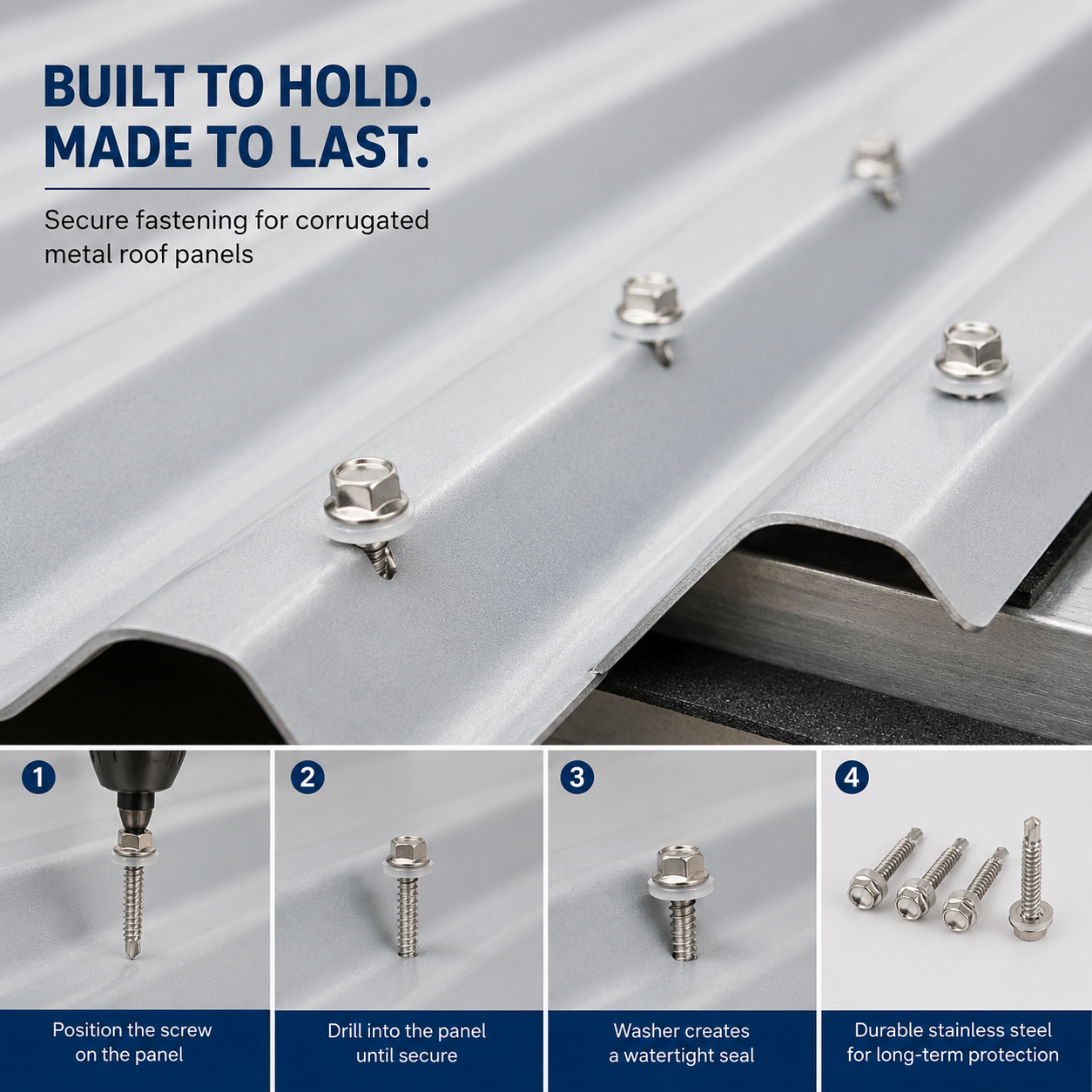
Failing to use professional-grade hardware on a corrugated metal roof leads to guaranteed structural leaking. You cannot build a dependable, lifetime shelter using weak screws that slip, strip, and rust apart. Transitioning to a high-performance hex head screw self tapping fastener elevates your entire construction quality standard. It combines rapid tool-free socket driving stability with a permanent, self-drilling installation workflow.
Stop risking your building’s interior drywall and framing assets with generic hardware selections this season. Invest in field-proven roofing screws that lock tight and seal out intense moisture perfectly. You will achieve faster project turnaround times, cleaner panel finishes, and total structural peace of mind. Upgrade your commercial fastening hardware inventory today to experience an uncompromised, leakproof roof tomorrow.