



The fastener industry is changing rapidly today. Manufacturers must produce bolts and screws faster than ever. Choosing the right equipment is a critical business decision. Many factories still use traditional heading machines for production. However, the high-speed cold heading machine is now the industry standard. This article compares these two powerful technologies. We will help you identify the best fit for your needs.
What is a Cold Heading Machine?
Cold heading is a high-speed metal forming process. It shapes wire into fasteners without heating the material. This process saves energy and reduces material waste. Both traditional and high-speed models use this basic principle. However, their mechanical execution differs significantly.
How Traditional Heading Machines Work
Traditional machines rely on older mechanical designs. They often use a simple crank-and-slider mechanism. These machines are reliable and very easy to maintain. Many operators understand their internal workings perfectly. Nevertheless, they have clear limits regarding output speed.
Evolution of the High Speed Cold Heading Machine
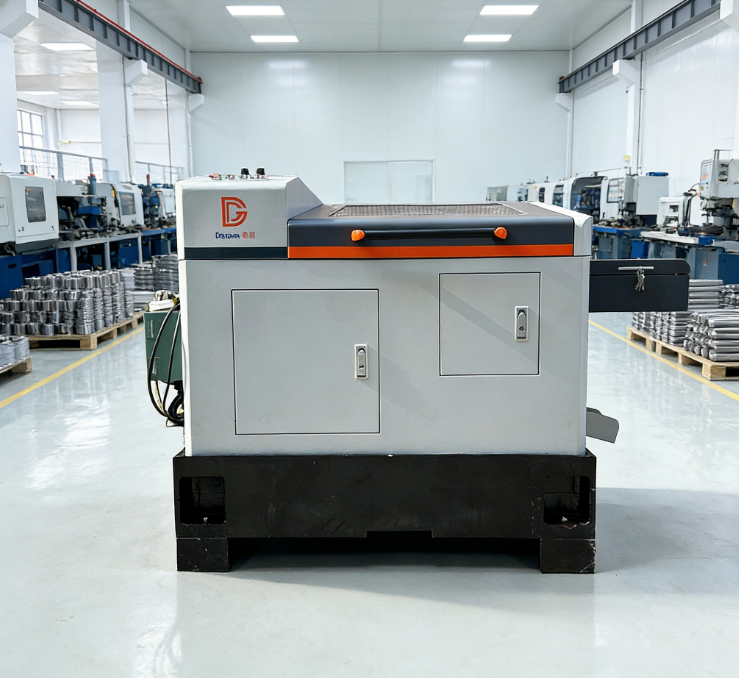
Modern engineering has revolutionized the cold forging process. A High-efficiency cold heading machine utilizes advanced stabilization systems. These units feature high-precision bearings and automated lubrication. Consequently, they achieve speeds that older models cannot match. They represent the peak of modern fastener manufacturing.
Key Differences in Performance and Output
Performance is the primary factor for most buyers. Let us break down the specific differences in detail.
1. Production Speed and Volume
Speed is the most obvious differentiator here. Traditional machines often produce 60 to 100 pieces per minute. In contrast, high-speed versions reach 200 to 400 pieces per minute. This massive increase allows you to fulfill orders faster. Furthermore, it lowers the cost per individual part.
-
Traditional: Ideal for small batches or specialized items.
-
High Speed: Perfect for mass-market fastener production.
2. Precision and Dimensional Stability
High-speed machines use computer-controlled systems for wire feeding. This ensures every piece has the exact same dimensions. Traditional machines often require manual adjustments during a long run. Over time, vibrations can cause traditional machines to lose accuracy. High-speed models use heavy-duty frames to absorb these vibrations.
3. Tooling Lifespan and Maintenance
You might think faster machines wear out sooner. Surprisingly, the opposite is often true for high-speed units. They feature superior cooling and lubrication systems. These systems protect the dies from excessive heat and friction. Therefore, your expensive tooling lasts much longer during production.
Comparing Operational Features
Operating a machine involves more than just pushing buttons. The user experience varies greatly between these two generations.
Automation and Ease of Use
Most high-speed machines include PLC (Programmable Logic Controller) systems. Operators monitor the process through a digital touchscreen. The machine detects errors like wire jams automatically. Traditional machines require a highly skilled “old-school” operator. These experts must listen for mechanical sounds to find problems.
Energy Efficiency and Sustainability
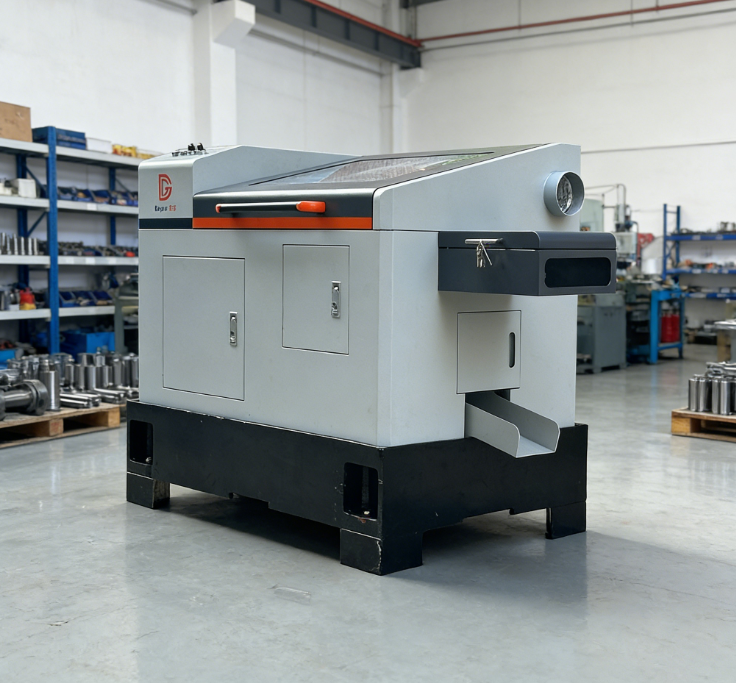
Modern motors in high-speed machines are very efficient. They use variable frequency drives to save power. Traditional machines often run at a constant speed. This wastes electricity during setup or low-capacity periods. Choosing a high-speed cold heading machine helps reduce your carbon footprint.
Cost-Benefit Analysis: Which Should You Buy?
Every investment requires a clear return on investment (ROI). Let us analyze the financial impact of each machine.
Initial Purchase Price
Traditional machines are significantly cheaper at first. You can find many reliable used models on the market. High-speed equipment requires a larger upfront capital investment. However, you must look beyond the initial price tag.
Long-term ROI and Labor Costs
A high-speed machine does the work of three traditional machines. This means you need fewer operators on the floor. You also save significant space in your factory. Over two years, the high-speed machine usually pays for itself. The labor savings alone make it a superior choice.
| Feature | Traditional Heading Machine | High Speed Cold Heading Machine |
| Max Speed | ~100 ppm | ~400 ppm |
| Setup Time | Manual/Slow | Digital/Fast |
| Labor Needs | High | Low |
| Accuracy | Moderate | Very High |
When to Choose a Traditional Heading Machine
Despite the benefits of speed, older tech has a place. You might prefer a traditional machine if:
-
You produce very small orders: Frequent changeovers negate speed benefits.
-
Your budget is extremely tight: Small startups may start with used gear.
-
You make complex, non-standard parts: Some custom shapes require slow forming.
The Future of Fastener Manufacturing
Industry 4.0 is integrating with cold heading technology now. Modern machines now connect to the cloud for data tracking. You can monitor production levels from your smartphone. Traditional machines cannot offer this level of digital integration. Staying competitive means embracing these technological leaps today.
Enhanced Safety Standards
High-speed machines come with fully enclosed safety guards. They feature instant-stop sensors for operator protection. Traditional machines often have exposed moving parts. Upgrading to high-speed models improves your overall workplace safety.
Conclusion
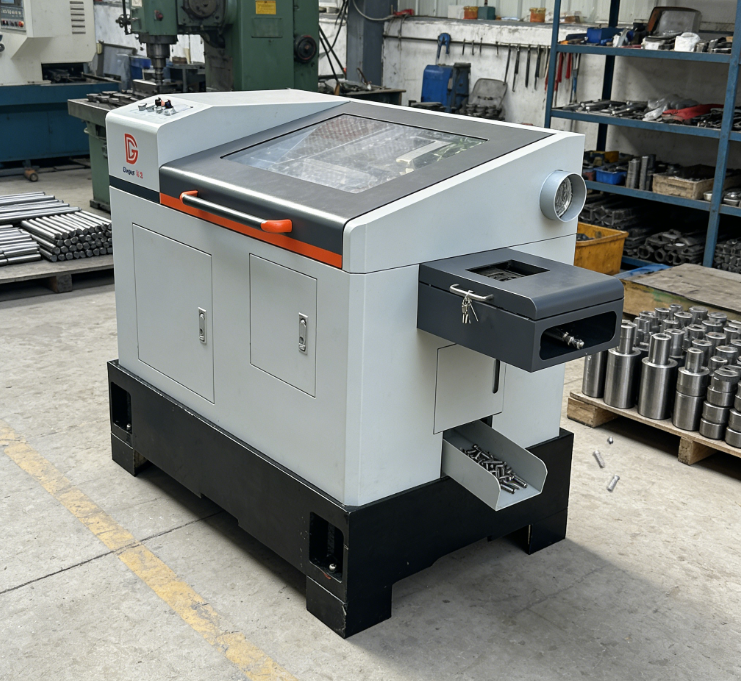
The debate between high-speed and traditional machines is clear. Traditional machines offer low entry costs and simplicity. However, the Dieguan high-speed cold heading machine provides the efficiency you need. It delivers better precision, higher volume, and lower labor costs. For any growing business, high-speed technology is the smartest path forward.