



The ocean environment is incredibly harsh on metal hardware today. Saltwater acts as a powerful electrolyte for galvanic corrosion. Consequently, boat owners face constant maintenance challenges. Specifically, keeping a Stainless Steel Double-Ended Stud intact is vital. These fasteners hold critical engine and hull components together.
A failure in a single stud leads to massive issues. Therefore, understanding corrosion prevention is the first step toward safety. Modern metallurgy offers several ways to protect your marine gear. Furthermore, proper installation can double the hardware lifespan. In this guide, we explore how to fight rust effectively. Let us discover the secrets to durable marine fastening!
Choosing the Right Grade of Stainless Steel
Not all stainless steel is suitable for saltwater immersion. You must select the correct alloy for your environment.
The Superiority of 316 Marine Grade
Standard 304 stainless steel rusts quickly in salt spray. However, 316 stainless steel contains molybdenum for better protection. This element specifically fights pitting and crevice corrosion. Therefore, always choose a Stainless Steel Double-Ended Stud for boats. It resists chloride-induced stress and decay effectively. Consequently, your investment stays secure for many years.
High-Alloy Alternatives for Extreme Use
Sometimes, even 316 grade might not be enough. In these cases, consider using duplex or super-duplex alloys. These metals offer nearly twice the strength of standard steel. Moreover, they provide incredible resistance to high-pressure environments. Using specialized alloys is a smart move for offshore rigs. It ensures your hardware can withstand the toughest conditions. 🌊
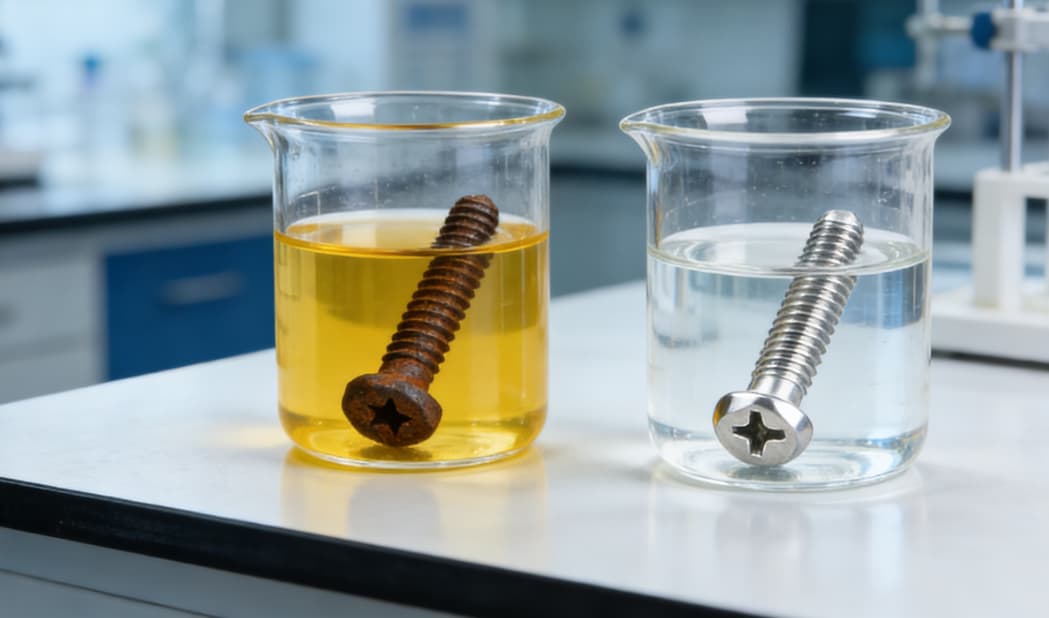
Essential Surface Treatments and Coatings
Surface protection adds an extra layer of defense against salt. These treatments prevent the chemical reaction that causes rust.
-
Passivation: This process removes free iron from the stud surface.
-
Electro-Polishing: It creates a smooth finish to shed water easily.
-
PTFE Coating: This non-stick layer prevents salt from bonding to threads.
-
Ceramic Coating: Provides a hard barrier against physical wear.
-
Zinc Flake Coating: Offers sacrificial protection for the underlying steel.
-
Lanolin Grease: A natural wax that repels saltwater effectively.
Applying a coating to a Stainless Steel Double-Ended Stud is easy. Consequently, you reduce the risk of thread galling and seizure. Furthermore, it makes future removal much faster and cleaner. Proper surface care is the hallmark of professional engineering. Reliable hardware starts with a high-quality protective finish.
Preventing Galvanic Corrosion Through Isolation
Galvanic corrosion happens when two different metals touch in saltwater. This process quickly destroys the “weaker” metal in the pair.
Using Non-Conductive Washers
You must prevent direct contact between different metals. Specifically, use nylon or plastic washers to create a gap. Therefore, the electrical circuit between the metals is broken. Consequently, your Stainless Steel Double-Ended Stud remains protected. This simple step prevents the rapid decay of boat parts. It is a cost-effective way to ensure structural integrity.
Applying Anti-Seize Compounds
Moisture can easily enter the threads of any fastener. Therefore, you should apply a high-quality anti-seize paste. Specifically, choose a nickel-based or ceramic-based compound. Consequently, the Stainless Steel Double-Ended Stud will not weld shut. This prevents the nightmare of broken bolts and difficult repairs. Furthermore, it protects the internal thread surfaces from salt. Proper lubrication is the secret to a happy engine. 📉
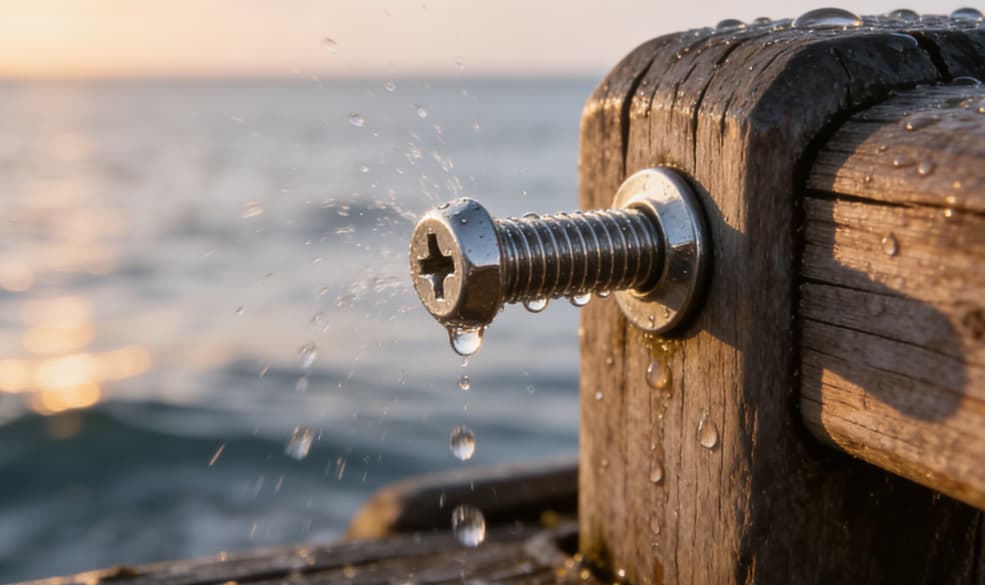
Routine Maintenance and Inspection Protocols
The ocean never stops its attack on your hardware. You must proactively monitor and clean your marine fasteners.
-
Rinse with Fresh Water: Wash away salt after every single use.
-
Check for Pitting: Look for tiny, dark spots on the metal.
-
Inspect for Crevice Corrosion: Pay attention to hidden areas behind nuts.
-
Monitor for Cracking: Check for fatigue signs on high-load studs.
-
Replace Sacrificial Anodes: Ensure your anodes are still working well.
-
Re-Apply Coatings: Touch up your protective layers every six months.
Managing these factors requires specialized marine hardware care. Consequently, you create a stable environment for your hardware. This proactive approach helps you find small problems early. Therefore, you can adjust your plan before things fail. A stable environment is a secure environment for your boat. 🌡️🌬️
Sustainable Quality and Long-Term Value
Investing in high-quality hardware is a smart financial move. It allows you to offer premium performance on the water.
-
Direct Energy Savings: Smooth, clean fasteners reduce total drag.
-
Reduced Maintenance: High-grade alloys require less frequent servicing.
-
Lower Infrastructure Costs: You need fewer replacement parts over time.
-
Extended Hull Life: Stable fasteners prevent expensive structural cracks.
-
Better Resale Value: Buyers appreciate a well-maintained, rust-free boat.
These factors make a Stainless Steel Double-Ended Stud very profitable. Consequently, your vessel’s total cost of ownership drops significantly. This proactive planning shows your expertise in marine management. It ensures your boat stays ahead of the competition.
The Future of Marine Fastening Technology
We are moving toward a world of smart metals. The future of marine hardware is incredibly bright and strong.
-
Self-Healing Alloys: Metals that can fix small scratches automatically.
-
Nano-Coatings: Microscopic layers that repel saltwater at the molecular level.
-
Smart Studs: Sensors that detect internal stress and corrosion.
-
Composite Fasteners: Using non-metal parts for zero-rust applications.
Investing in a Stainless Steel Double-Ended Stud prepares you now. It provides the hardware for the next decade of care. Furthermore, it signals your commitment to high-quality marine safety. Better tech leads to better outcomes and higher trust.
Protect Your Marine Future Today
Corrosion is a continuous journey that requires the best tools. A Stainless Steel Double-Ended Stud protects your critical boat systems. Focus on 316 grade, surface coatings, and galvanic isolation today. Furthermore, always prioritize reliable marine-rated hardware for your boat.
Don’t let a small rust spot lead to a loss. Focus on science-backed prevention to reach peak boat performance. By selecting high-performance gear, you win the battle against salt. Take the first step toward a safer vessel and upgrade now!