



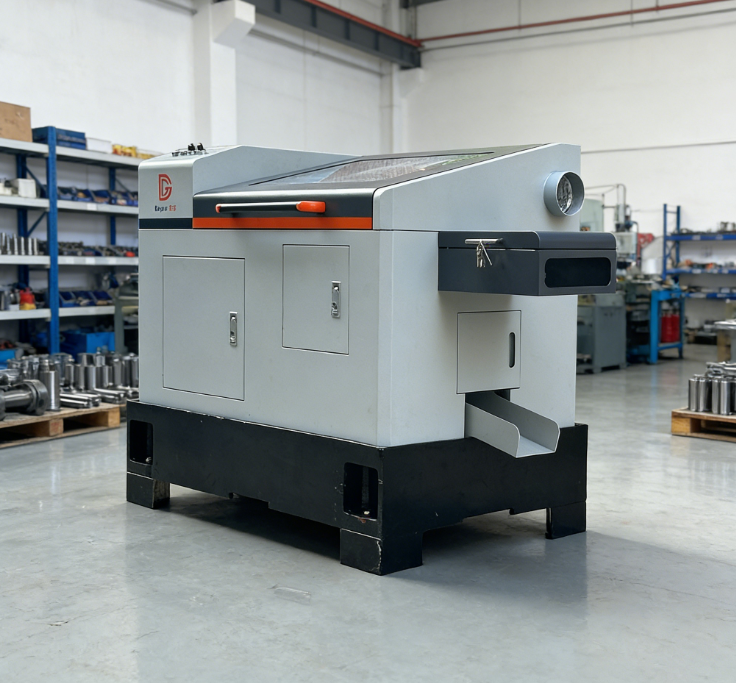
Global fastener manufacturing facilities maximize their long-term operational profitability when they source multi-station metal forming hardware directly from verified overseas engineering channels. Ultimately, high-speed automated mechanical forging technology completely eliminates the immense material waste rates associated with traditional rotary metal cutting lathes.
By partnering with an elite cold heading machine exporter, industrial production plants instantly secure robust, high-volume manufacturing output loops. This precision manufacturing capability allows hardware brands to supply millions of flawless automotive fasteners to their clients smoothly.
Now, let us trace backwards to examine exactly how modern machine distribution networks optimize your factory flooring expenses globally.
Case Study: Restructuring an Automotive Fastener Plant
To understand the immense power of direct machinery importing, we should analyze a real production breakthrough from last season. The following case study highlights how advanced industrial metal forging machinery changes manufacturing margins in real-time.
Overcoming Intense Production Material Waste Challenges
Arthur Vance, the procurement operations director for an industrial automotive hardware supplier in Michigan, faced a severe financial crisis. His factory floor utilized older, material-wasting automatic metal trimming machinery to produce specialized aerospace shoulder bolts.
Relying on traditional cutting techniques wasted up to forty percent of the premium steel raw material rods entirely. Consequently, Arthur shifted his entire machinery acquisition budget away from regional distribution brokers to scale up operations.
Multiplying Daily Output Metrics via Direct Global Sourcing
By collaborating with a dedicated overseas machinery distributor, his engineering team deployed three advanced multi station bolt making equipment units. These high-tonnage forming systems squeezed raw steel wire coils into completed bolt blanks within a single machine stroke.
The high-pressure mechanical dies eliminated raw material waste completely, preserving your precise wire volume without generating scrap metal shavings. Because he chose this direct manufacturing pipeline, Arthur successfully slashed his total component production costs by thirty-five percent.
The automotive component factory captured massive new commercial contracts immediately, boosting its market standing and reducing raw wire expenditures.
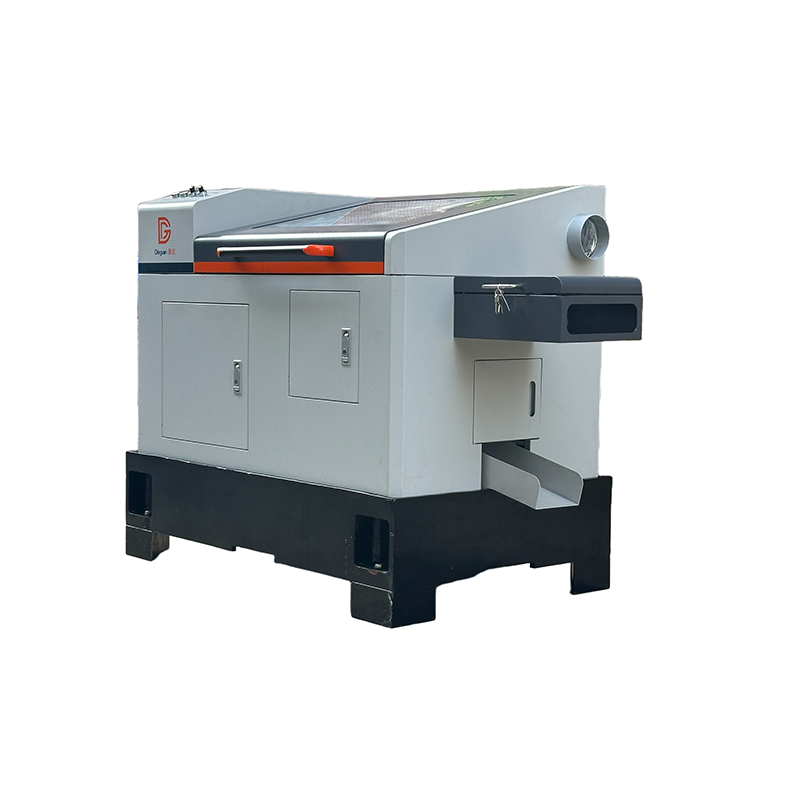
The Advanced Mechanical Physics of Multi-Station Metal Forging
Standard material removal operations slice metal away grain by grain, weakening the internal crystalline structures of the steel parts. Let us explore the internal physical forces that allow cold upsetting machines to shape steel wire without sacrificing strength.
Rearranging Crystalline Steel Grains via Extreme Mechanical Pressure
Modern cold forming systems force cold metal wire blanks into precision carbide dies using immense kinetic energy loads. This high-pressure impact flows the raw steel molecules smoothly into the desired fastener shape without applying thermal heat.
These heavy-duty forging systems compress the internal metal grain lines together tightly along the outer component boundary contours. Therefore, you obtain finished screws with exceptional shear strength characteristics while using less raw material overall.
Maximizing Operating Lifespans via Positive Pressure Lubrication Systems
To maintain continuous stamping speeds without seizing moving parts, heavy-duty forging systems require advanced internal fluid circulation networks. Modern machinery integrates premium centralized lubrication channels that spray cool oil onto moving components every second.
These closed-loop oil lines minimize thermal expansion stress across the main slide crank bearings during multi-shift operations. Consequently, you maintain tight dimensional tolerances, ensuring your factory achieves perfectly repeatable parts across million-unit production runs.
Learn how to manage these heavy mechanical oil pressures efficiently by studying our Guide to Industrial Forging Machinery Lubrication Maintenance.
Distinguishing Performance Features: Cold Forging Systems vs. Metal Lathes
Traditional CNC metal turning centers provide flexible programming options but suffer from slow, single-part processing cycles every hour. This slow throughput creates massive production bottlenecks when your sales team needs to fulfill high-volume industrial fastener contracts.
In contrast, high-speed forging hardware brings relentless, unyielding speed straight to your main factory assembly lines. These massive mechanical presses utilize heavy cast-iron frames to absorb intense harmonic vibrations during high-frequency production runs.
Furthermore, cold-upsetting machines operate continuously from large wire coils, eliminating the need for frequent raw material reloading. This operational autonomy ensures maximum factory floor efficiency whether your facility runs twin shifts or fully automated schedules.
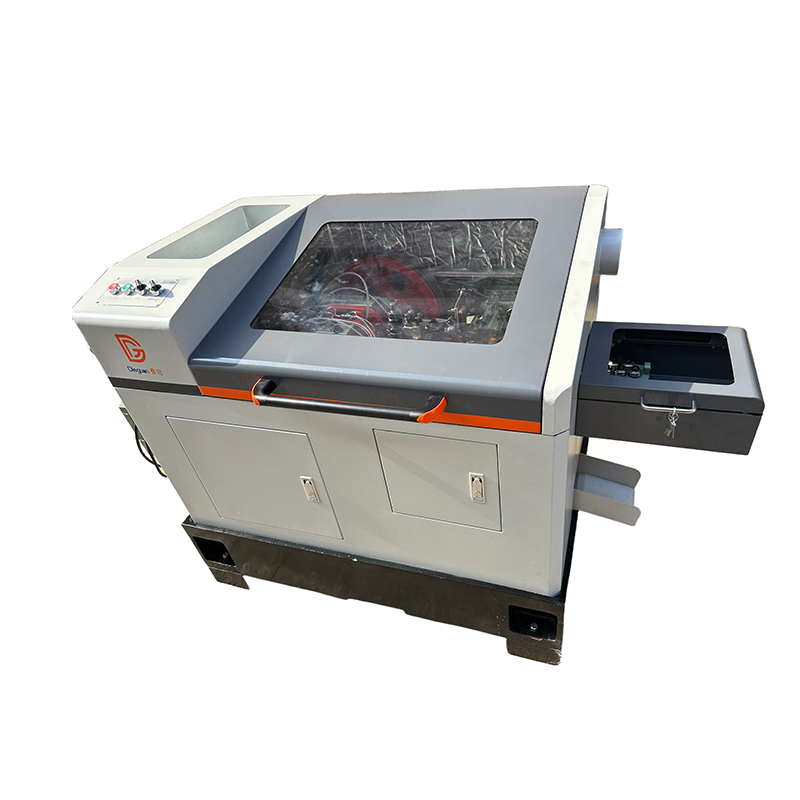
Streamlining Global Equipment Supply Chains for Heavy Machinery
Navigating international logistics challenges requires deep familiarity with heavy machinery customs clearance protocols and specialized ocean freight handling. Let us examine how an experienced cold heading machine exporter coordinates complex intercontinental delivery routes successfully.
Securing Rust Protection via Sealed Heavy Sea Freight Packaging
Shipping multi-ton steel machinery across humid ocean channels risks exposing delicate internal gearboxes to corrosive saltwater vapor. Professional machinery exporters protect your investment by wrapping every mechanical component inside heavy, vacuum-sealed anti-rust barrier sheets.
Rugged steel-reinforced wooden crates shield the internal electronics from heavy vibrations while cargo ships navigate turbulent seas. This structural packing ensures your machinery arrives at your factory workshop bay in flawless, factory-calibrated condition.
Simplifying Customs Documentation via Local Regulatory Compliance Frameworks
Filing incomplete machinery import documentation can tie up your capital assets inside port warehouses for several months. Experienced global industrial machinery suppliers compile all necessary safety certifications, customs tariff classifications, and harbor clearance papers automatically.
This meticulous paperwork preparation prevents costly port storage fines, allowing your engineers to install the hardware on schedule. Discover more about managing these machinery logistics paths by analyzing our International Industrial Machinery Import Logistics Framework.
Sourcing Industrial Metal Hardware: A Factory Buyer’s Checklist
Manufacturing operation directors must look far past basic promotional pricing when investing in new cold forming tool fleets. Avoid purchasing underpowered, lightweight machinery lines that flex or warp under maximum mechanical load pressures.
-
Verify the Total Die Stations: Prioritize 4-station or 5-station configurations to manufacture complex, multi-step geometric fasteners.
-
Check the Maximum Wire Diameter: Select machinery matching your exact production wire needs, like 6mm to 20mm capacities.
-
Demand Independent Safety Certifications: Ensure your supplier provides full CE, ISO9001, and international safety compliance sheets.
-
Confirm Real-Time Monitoring Systems: Choose hardware featuring intelligent digital sensors to detect tool breakage during high-speed runs.
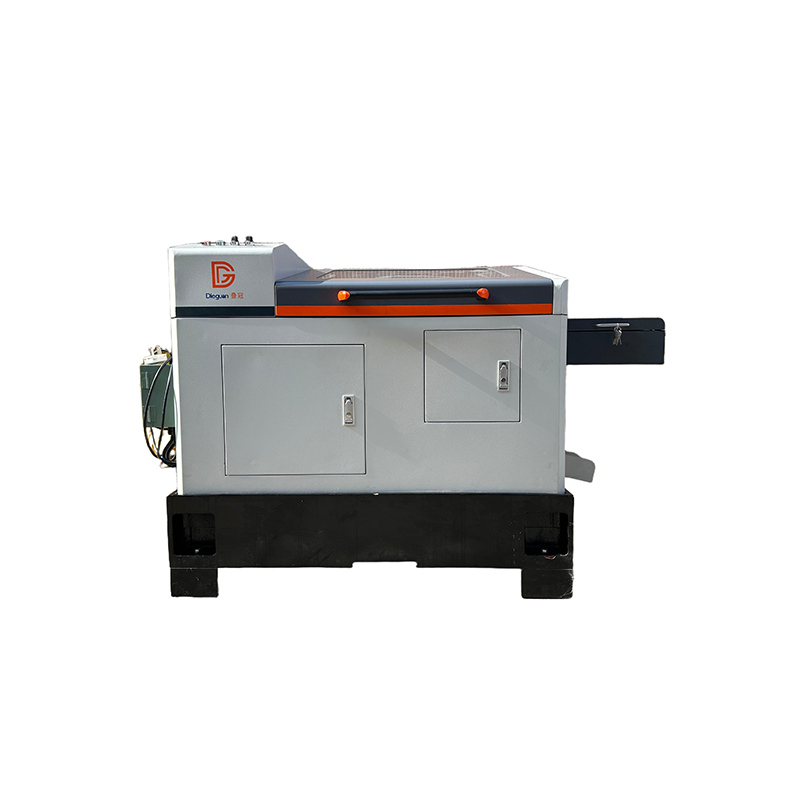
Driving Factory Profitability via Modern High-Speed Cold Forging Hardware
Achieving elite, world-class fastener manufacturing quality requires discarding slow, archaic material-cutting lathes across your primary production floor. Your volume contracts are only as profitable as the raw material conservation metrics beneath your manufacturing plan.
Ultimately, investing in premium equipment from a reliable cold heading machine exporter safeguards your corporate business margins. It delivers the relentless stamping speed, material savings, and structural component strength that modern industrial fastener manufacturing solutions require.
Do you need technical assistance matching specific machine tonnages to your upcoming automotive fastener production expansion timeline? Contact our industrial application engineering support team today for a complimentary factory floor layout configuration consultation.