



Selecting a premium wing nut stainless steel solution instantly solves your rust and assembly speed problems. This durable design ensures long-term joint integrity in harsh outdoor environments. Consequently, modern industries choose corrosion resistant wing nuts to prevent costly structural failures.
Fortunately, upgrading to high-quality stainless steel completely eliminates this oxidation threat. Furthermore, this smart material choice significantly reduces your long-term equipment maintenance costs. Now, let us examine the specific physical benefits of these unique fasteners.
Defining the Core Value of Stainless Steel Wing Nuts
To understand their popularity, we must examine their unique mechanical properties. These fasteners blend physical strength with user convenience.
Effortless Tool-Free Operation
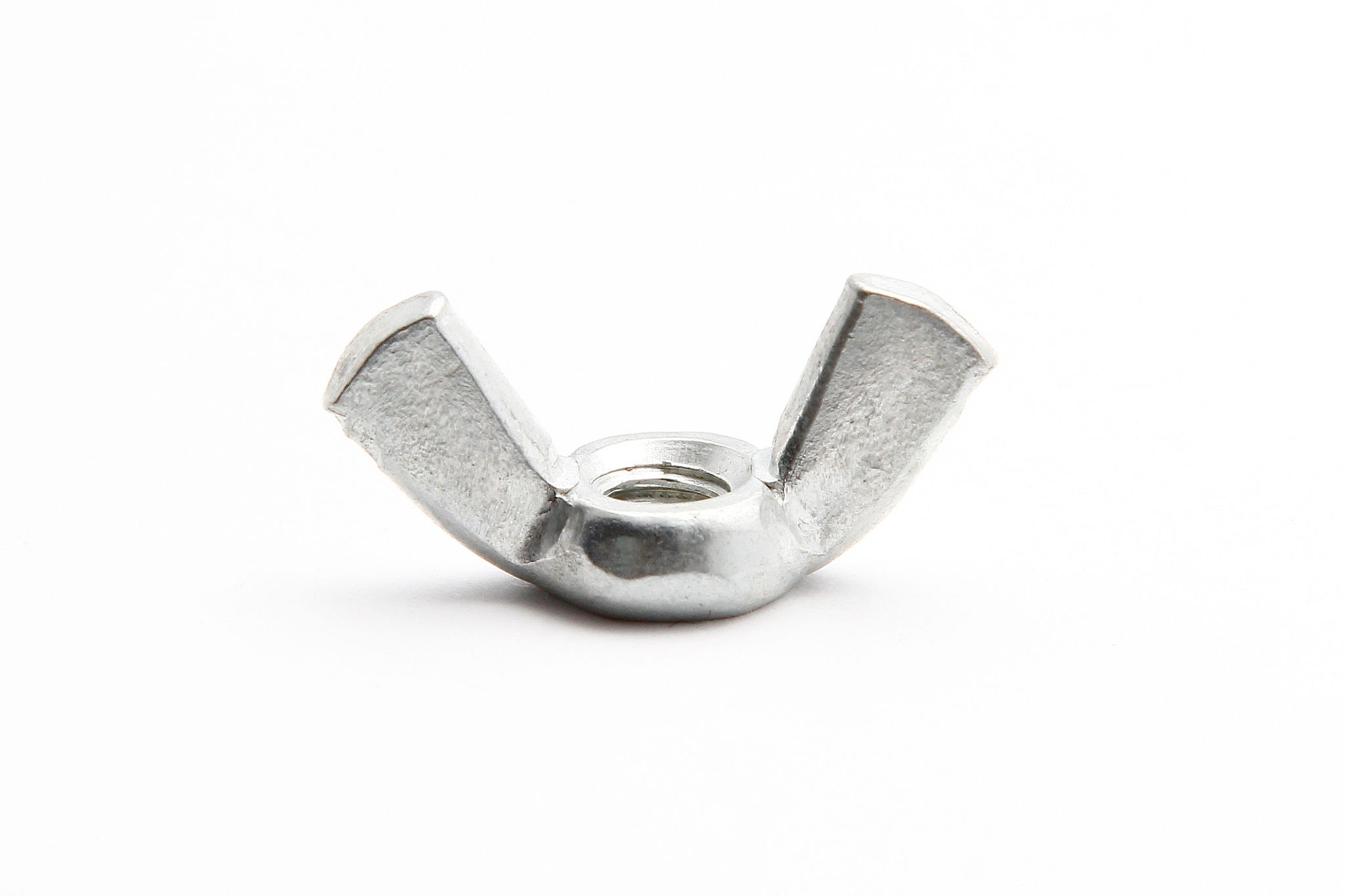
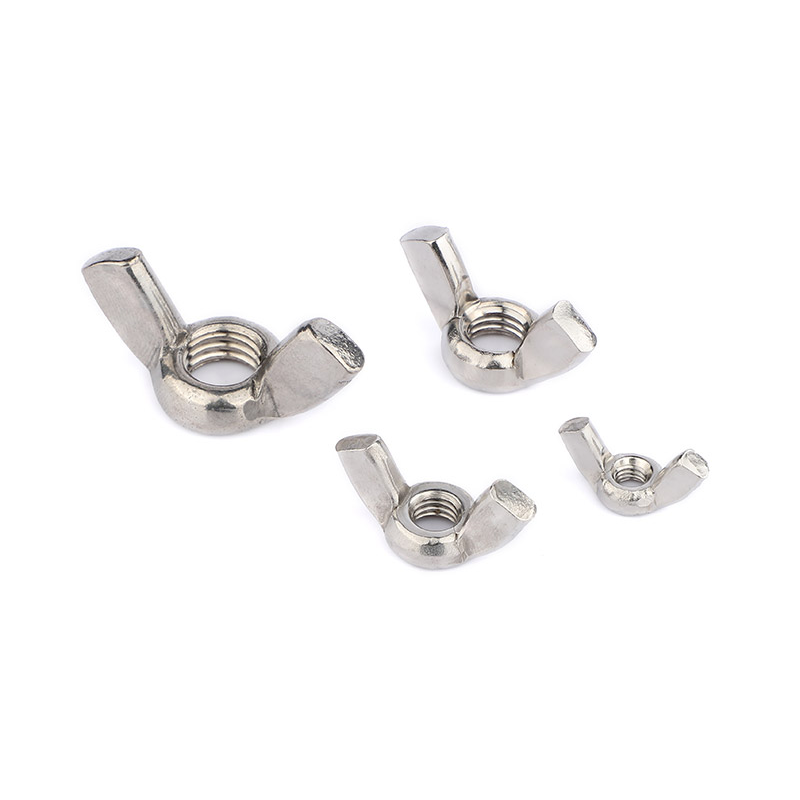
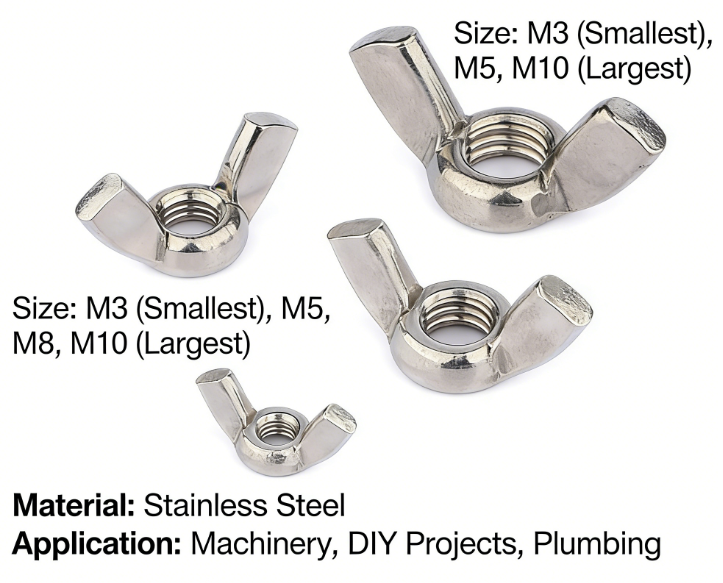
Standard industrial nuts require specialized wrenches or socket tools for tight installation. However, wing nuts feature two large metal wings that extend outward. Because of this shape, workers can tighten them easily using only their fingers. This unique design saves valuable time during quick field adjustments. Therefore, maintenance crews can work much more efficiently on tight schedules.
Exceptional Mechanical Strength and Wear Resistance
Some engineers worry that hand tightened stainless steel fasteners lack sufficient holding force. Yet, modern manufacturing methods provide incredibly precise thread tolerances for these parts.
As a result, they hold strong under steady vibration and heavy physical loads. Additionally, stainless alloys resist thread stripping during frequent disassembly cycles. This toughness makes them perfect for machinery that needs regular cleaning.
The Scientific Secret Behind Stainless Steel Corrosion Resistance
To protect your assemblies, you must understand how metal reacts with the open air. The secret lies in the microscopic chemistry of the steel itself.
Chromium Oxide: The Invisible Protective Shield
Standard steel contains iron, which reacts quickly with oxygen to form flaky red rust. In contrast, stainless steel contains at least 10.5% chromium. When chromium meets oxygen, it instantly creates a microscopic chromium oxide layer. This ultra-thin passive barrier blocks oxygen and moisture from touching the iron beneath. Furthermore, this protective layer heals itself automatically if the metal gets scratched.
Marine Grade 316 vs. Standard 304 Stainless Steel
Not all stainless steel fasteners perform the same way under harsh chemical exposure. Specifically, you must choose the right alloy grade for your local environmental conditions:
-
Grade 304: Excellent for general outdoor use, fresh water, and mild industrial settings.
-
Grade 316: Contains added molybdenum to survive harsh chlorine and salty sea spray.
Therefore, marine operators always specify marine grade stainless steel wing nuts for offshore platforms.
Technical Specifications: Comparing Wing Nut Material Performance
Key Applications: Where Wing Nut Stainless Steel Performs Best
Because they resist rust so well, these fasteners excel in several crucial global industries. Specifically, they serve in environments where cleanliness and speed matter.
High-Value Marine and Coastal Infrastructure
Saltwater is highly corrosive to standard metal hardware. Consequently, boat builders use marine-grade fasteners on decks and rigging. These parts survive years of ocean exposure without seizing or locking up. Meanwhile, technicians can still turn them easily by hand during emergency repairs.
Strict Food Processing and Medical Cleanrooms
Food processing facilities must wash their machinery with harsh chemical cleansers daily. Therefore, they install industrial-grade wing nut application solutions on access hatches. These stainless fasteners do not rust or contaminate clean food lines. Additionally, their smooth surfaces prevent bacteria from hiding in tiny crevices.
Market Drivers: Why 2026 Demands Advanced Fastener Materials
Recent macroeconomic shifts have accelerated the adoption of premium alloys across the manufacturing sector. These changes make cheaper metals less attractive over time.
Rising Infrastructure Durability Standards
In 2026, global green building regulations heavily penalize projects that require frequent material replacements. Because of this, developers now prioritize lifetime value over cheap initial purchase prices. Selecting long-lasting stainless fasteners ensures structures meet modern sustainability goals easily. Consequently, this simple choice helps projects secure valuable environmental certifications.
The Global Expansion of Offshore Wind Energy
Clean energy developers are building massive wind farms deep in the ocean. These remote installations face relentless wind, high humidity, and salty waves daily. Because maintenance boats are expensive to send out, every component must last. Therefore, engineers install marine-grade wing nuts to secure critical weather monitoring sensors. This smart choice prevents costly sensor failures during heavy winter storms.
FAQ:
What is thread galling, and how do I prevent it?
Thread galling is a form of pressure welding that occurs between clean stainless steel surfaces. To prevent this issue, always apply a high-quality lubricant before tightening your fasteners. This simple step keeps the metal sliding smoothly.
Can I use a standard steel bolt with a stainless wing nut?
We highly advise against mixing different metals in humid environments. Specifically, this combination triggers galvanic corrosion, which quickly destroys the weaker carbon steel bolt. Always match your materials carefully.
How do I clean rust stains off my stainless steel fasteners?
Genuine stainless steel does not rust easily, but it can catch iron particles from the air. You can clean these superficial stains using a mild phosphoric acid gel. Afterward, rinse the metal thoroughly with clean water.
Secure Your Projects with Premium Fastening Solutions
Relying on cheap carbon steel hardware leads to rusty joints, frozen threads, and slow maintenance times. You cannot build a durable structure if your basic hardware fails in the rain. Upgrading to a premium wing nut stainless steel solution protects your assembly from harsh elements. This simple change keeps your machinery running smoothly for decades.
Stop dealing with stubborn, rusted nuts and slow repair schedules in the field. Invest in high-quality, corrosion-resistant hardware that delivers reliable strength and tool-free convenience. Your field service technicians will thank you, and your equipment will last much longer. Upgrade your industrial fastening setup today to experience the absolute durability of modern stainless alloys.