



Temperature fluctuations are a major challenge in mechanical engineering. Metals expand when they get hot. They contract as they cool down. This constant movement often loosens standard fasteners. Over time, the joint loses its vital clamping force.
Engineers often turn to internal tooth lock nuts for help. These specialized fasteners aim to “bite” into surfaces. They create a mechanical bond that resists movement. But do they truly handle thermal expansion well? This guide explores their performance in high-heat zones. We will analyze their mechanical limits and benefits.
The Mechanics of Thermal Expansion in Joints
Heat causes atoms in metal to vibrate more. This physical change increases the volume of the bolt. In a tight joint, this expansion creates massive pressure. Conversely, cooling creates a small gap in the threads.
This “breathing” cycle is a primary cause of failure. Most nuts simply back off during the cooling phase. Once the tension drops, vibration finishes the job. Therefore, you need a nut that maintains a grip. A reliable fastener must adapt to these physical shifts.
Why Standard Nuts Fail in Heat
Standard nuts rely entirely on thread friction. Heat reduces this friction as the metal softens. Furthermore, the bolt stretches during the expansion phase. This stretch often exceeds the elastic limit of the nut. Consequently, the joint becomes loose once it cools down.
How Internal Tooth Lock Nuts Work
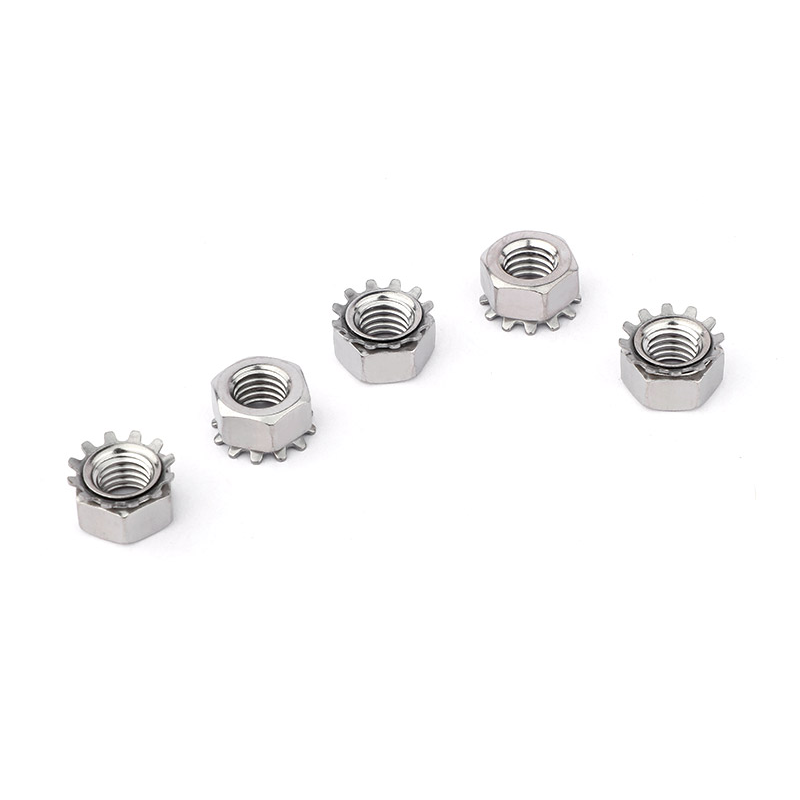
The design of an internal tooth nut is unique. It features sharp teeth along the inner diameter. These teeth sit at a slight angle.
When you tighten the nut, the teeth flatten. They dig into the mating surface like small anchors. This create a high-friction “bite” that resists rotation. Even if the tension fluctuates, the teeth stay embedded. This mechanical lock is vital for many industrial tasks.
The Spring Action Benefit
The teeth also act as tiny spring washers. They provide a constant “push-back” against the bolt. This spring action helps absorb minor thermal shifts. It keeps the assembly tight during the expansion cycle.
Maintaining Torque Under Heat Stress
Maintaining torque is about controlling friction and tension. Internal tooth lock nuts excel at localized friction.
Resisting the “Back-Off” Motion
Thermal expansion encourages the nut to spin backward. The angled teeth specifically block this clockwise motion. They act as a one-way mechanical brake for the nut. Even if the bolt expands, the nut stays put. This prevents the initial loss of torque levels.
Limitations of Soft Surface Mating
These nuts work best on specific materials. The teeth must be harder than the surface. If the surface is too hard, they cannot bite. In such cases, the locking effect disappears quickly. Always match the nut hardness to your base material. This ensures the teeth can do their job effectively.
Common Applications for Thermal Fastening
Many industries deal with extreme temperature cycles. You will find these nuts in several key areas.
-
Automotive Exhausts: Handles constant heating and cooling.
-
Industrial Ovens: Maintains structural integrity in high heat.
-
Electrical Terminals: Prevents loosening during high-current surges.
-
HVAC Systems: Manages vibration and temperature shifts daily.
Electrical Conductivity Advantages
Internal tooth designs are great for electrical grounding. The teeth cut through paint and corrosion. This ensures a solid metal-to-metal connection for safety. It maintains both torque and conductivity simultaneously. This dual-purpose role is very common in control panels.
Comparing Internal vs. External Tooth Designs
Both designs offer locking capabilities for users. However, their performance in thermal zones differs slightly.
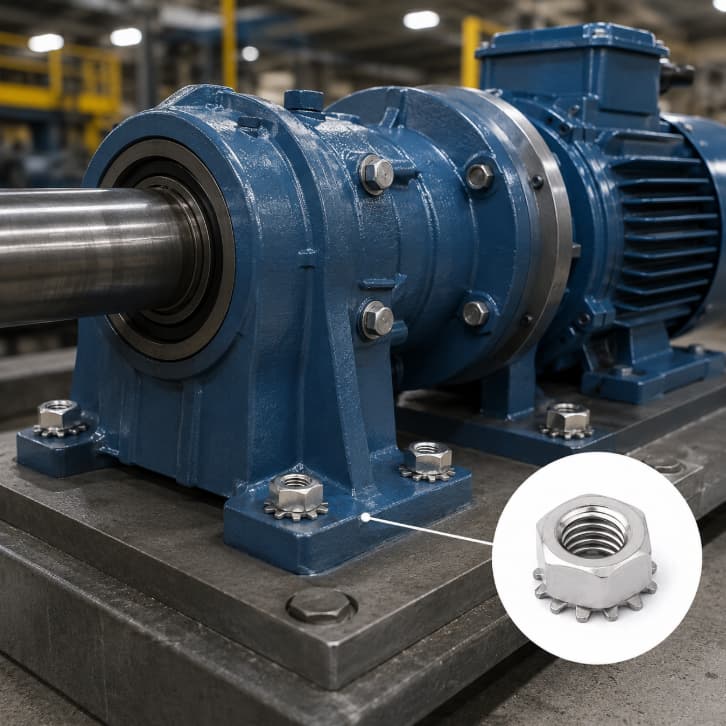
External tooth nuts provide a wider footprint. They offer more stability on larger surface areas. However, internal tooth lock nuts look much cleaner. They fit better in tight or recessed spaces. From an SEO perspective, internal designs are more popular. They offer a more “finished” look for consumer products.
Protecting the Mating Surface
Internal teeth are hidden under the nut head. This protects the teeth from external environmental damage. It also prevents the sharp edges from snagging clothes. For visible machinery, the internal design is often preferred. It combines safety with a professional, sleek appearance.
Material Selection for Thermal Durability
Material choice dictates the success of the fastener. Not all metals handle heat in the same way.
The Dominance of Stainless Steel
Stainless steel is the standard for thermal jobs. It maintains its spring-like tension at high temperatures. It also resists the oxidation caused by extreme heat. A carbon steel nut might soften and lose its bite. Stainless steel stays tough and holds the torque longer.
Specialized High-Temp Alloys
For extreme aerospace needs, use Inconel or Monel. These alloys survive temperatures that melt standard steel. They are much more expensive but very necessary. Most small-office or light-factory needs use 316 stainless. This provides a great balance of cost and performance.
Installation Tips for High-Heat Zones
Perfect hardware still needs perfect installation techniques. I have seen many failures due to human error.
First, always use a calibrated torque wrench. Guessing the torque is a recipe for disaster. Over-tightening can crush the teeth too much. This removes the spring effect you need for expansion. Follow the “click” and stop immediately for safety.
The Role of Anti-Seize Compounds
Heat often causes “galling” in stainless steel threads. This makes the nut impossible to remove later. Apply a thin layer of high-temp anti-seize. This protects the threads without reducing the locking bite. It ensures your maintenance team stays happy and fast.
Environmental Factors and Longevity
Heat is not the only enemy of your fasteners. You must also consider moisture and chemicals.
A internal tooth lock nut has many small crevices. These gaps can trap water and cause rust. Therefore, choose a material with high corrosion resistance. Galvanized coatings might flake off during thermal expansion. Stainless steel remains the most reliable choice for longevity.
Managing High-Frequency Vibrations
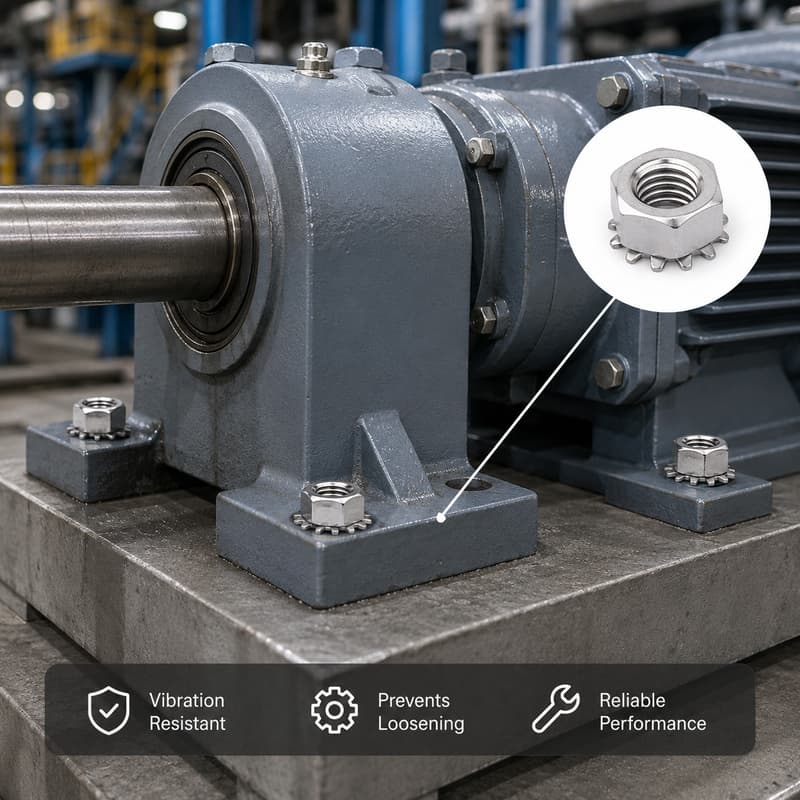
Thermal expansion often pairs with mechanical vibration. This “double attack” destroys many basic joints. The internal teeth handle this combined stress very well. They provide the friction needed to stop the vibration. This keeps the torque levels stable over many years.
Future Trends in Locking Fasteners
We are seeing new “smart” fastener designs emerging. These include coatings that change color with heat.
However, the mechanical tooth design remains a classic. It is simple, effective, and very cost-efficient. We expect internal tooth lock nuts to remain popular. They offer a reliable solution for mid-range thermal cycles. Every workshop should keep a variety of sizes in stock.
Moving Toward Automated Assembly
Modern factories use robotic arms for bolt installation. Internal tooth nuts are easy for robots to handle. Their symmetrical design prevents jams in the feed tubes. This speeds up production lines for cars and appliances. Efficiency is the key to modern manufacturing success.
Tips for Maintaining Hot Torque
Thermal expansion is a powerful force of nature. You cannot stop it, but you can manage it. Using internal tooth lock nuts is a proven strategy. They provide the mechanical bite and spring tension required. This combination keeps your machinery safe and functional. Always prioritize high-quality materials like stainless steel for heat. Your equipment will certainly perform better in the long run. Learn About Our Products.