



Industrial vibration is a silent killer of machinery. It slowly loosens bolts and compromises safety. Standard nuts often fail under constant shaking. This leads to costly downtime and dangerous failures.
Choosing stainless steel lock nuts is a smart move. These fasteners provide a mechanical grip that resists motion. They ensure your equipment remains stable and secure. This guide explores why they are truly essential. We will help you protect your mechanical investments.
The Science of Vibration-Induced Loosening
Vibration creates tiny movements in threaded joints. These movements allow the nut to rotate slightly. Over time, the clamping force disappears completely. This process is known as self-loosening.
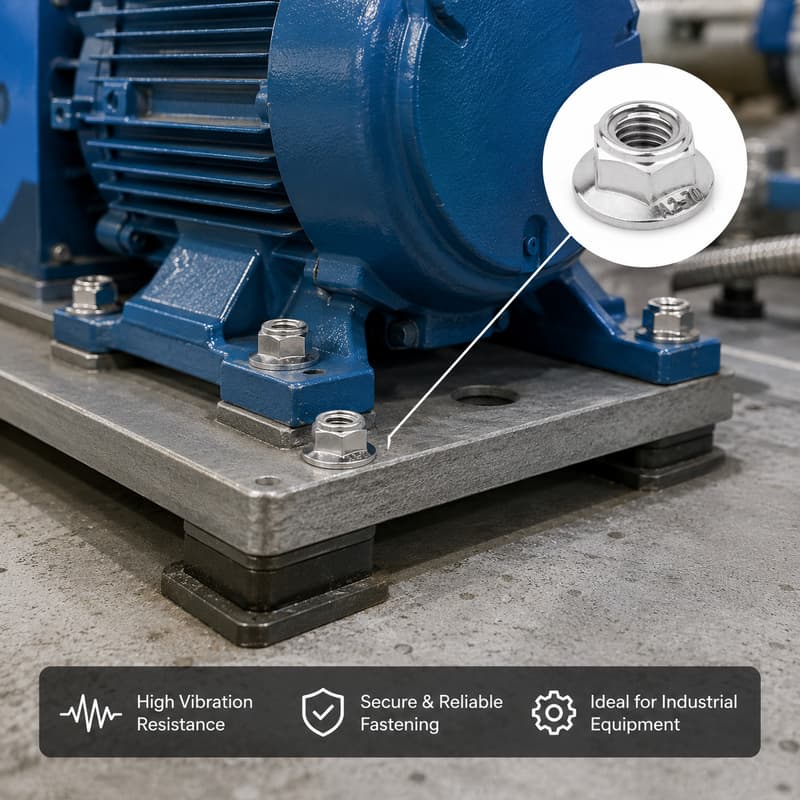
Locking nuts use specific designs to stop this. They increase the friction between the threads. Consequently, the nut stays tight despite the shaking. This keeps your high-vibration equipment running smoothly. It prevents the disaster of a loose bolt.
How Transverse Vibration Affects Joints
Transverse vibration is the most destructive force. It shifts the joint perpendicular to the bolt. This movement overcomes the natural friction of threads. Therefore, you need a locking mechanism to hold. Stainless steel lock nuts provide this necessary resistance.
Key Benefits of Stainless Steel in Fastening
Material choice is just as important as design. Stainless steel offers unique advantages for industrial use.
Superior Corrosion Resistance
Vibrating machines often work in harsh environments. Moisture and chemicals can weaken carbon steel quickly. Stainless steel resists rust and chemical degradation. This ensures the locking mechanism remains functional. It keeps the threads clean for future maintenance.
Strength and Durability Under Stress
Stainless steel handles high-stress loads very well. It does not become brittle in cold temperatures. It also maintains its shape under heavy heat. This durability makes it perfect for heavy machinery. You get a reliable hold that lasts for years.
Types of Lock Nuts for High-Vibration Use
Not all lock nuts work the same way. Different designs suit different mechanical needs.
-
Nylon Insert Lock Nuts: Uses a plastic ring to grip.
-
All-Metal Prevailing Torque Nuts: Distorted threads create friction.
-
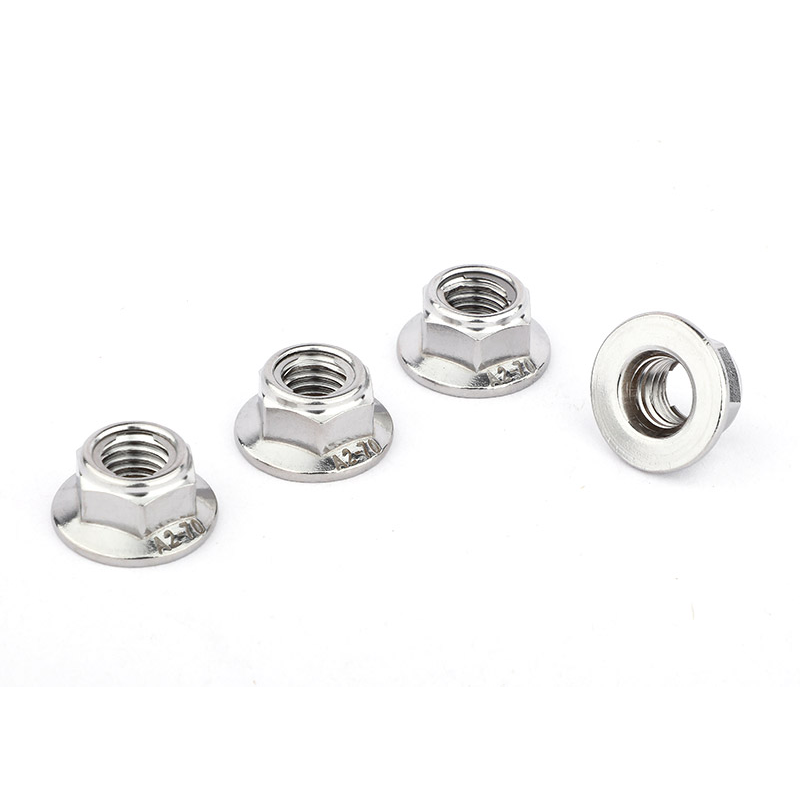
Serrated Flange Nuts: Teeth dig into the surface.
-
Jam Nuts: A second nut locks the first one.
The Popularity of Nylon Inserts
Nylon inserts are very common in light industry. The nylon ring deforms around the bolt threads. This creates a tight, vibration-resistant seal. However, they have temperature limits you must respect. For high-heat zones, choose all-metal locking designs instead.
Critical Applications in Industrial Machinery
High-vibration equipment exists in many different sectors. These machines rely heavily on stainless steel lock nuts.
Manufacturing and CNC Machining
CNC machines move at incredibly high speeds. They generate constant, rhythmic vibrations during cutting. Every fastener in the gantry must remain tight. A loose nut here causes ruined parts. It can even damage the expensive spindle motors.
Heavy Construction and Mining
Mining drills and crushers face extreme vibration. These machines literally shake the earth around them. Standard hardware would fall off in minutes. Stainless locking hardware is the standard for these builds. It ensures safety in deep underground operations.
Maintenance and Installation Best Practices
Proper installation is the key to fastener success. Even the best nut fails if installed poorly.
Using the Right Torque Settings
Never guess the tightness of a lock nut. Use a calibrated torque wrench every time. Over-tightening can strip the stainless steel threads. Under-tightening allows vibration to start the loosening. Follow the manufacturer’s specs for perfect results.
Avoiding Thread Galling in Stainless Steel
Stainless steel is prone to a problem called galling. This happens when threads seize up during installation. Use an anti-seize lubricant to prevent this issue. It allows for smooth tightening and future removal. This simple step saves hours of frustration later. How to prevent galling in stainless fasteners
Long-Term Cost Savings and Safety
Lock nuts might cost more than standard nuts. However, the long-term ROI is much higher.
Think about the cost of a machine failure. Repairing a broken motor is very expensive. Downtime ruins your production schedule and profits. Stainless steel lock nuts prevent these massive expenses. They are a cheap insurance policy for your gear.
Enhancing Workplace Safety Standards
Loose bolts lead to falling parts and accidents. Maintaining tight joints is a core safety requirement. Locking hardware reduces the need for frequent checks. This keeps your team safe and your liability low. Safety should always be your top priority.
Environmental Resistance and Longevity
Industrial equipment often stays in service for decades. Your fasteners must match this long lifespan.
Stainless steel does not require special coatings. Unlike galvanized steel, the protection is built-in. This means scratches do not lead to rusting. Your locking nuts will look and work like new. This is vital for equipment located outdoors or at sea.
Sustainability in Fastener Choice
Stainless steel is 100% recyclable at end-of-life. It is an eco-friendly choice for modern manufacturing. Using durable parts reduces the need for replacements. This lowers your total environmental footprint over time. It is a win for both business and nature.
Choosing the Right Grade of Stainless Steel
Most industrial nuts use 304 or 316 steel. 304 is great for general indoor use. 316 is essential for marine or chemical zones.
Check your environment before you buy your hardware. Salt air requires the extra protection of 316. Food processing also demands high-grade stainless steel. This prevents contamination and ensures food safety compliance. Always match the metal to the specific job.

Final Thoughts on Locking Hardware
Vibration is an unavoidable part of heavy industry. But loose fasteners do not have to be.
Investing in lock nuts is essential. They provide the grip and durability you need. Focus on proper torque and anti-seize during installation. This ensures your machines stay tight and safe. Don’t let a simple nut be your weakest link.