



Precision industrial manufacturing requires choosing the exact correct mechanical fasteners for heavy-duty product casing designs. Engineering clean, durable structural casings presents distinct structural challenges across modern electronic and automotive supply chains daily. Delicate steel or aluminum panels can deform rapidly under excessive installation torque if you choose wrong hardware.
Standard countersunk fasteners often strip thin panels completely, ruining expensive exterior components during final assembly stages. This common structural frustration explains why experienced production hardware managers choose a specialized round head self-tapping screw. Utilizing a raised dome profile creates excellent clamping force without warping thin material boundaries.
This comprehensive technical analysis details how dome-headed thread-forming fasteners maximize structural integrity for sheet metal enclosures. We will explore structural load distribution, mating alignment precision, and high-caliber commercial outer box design aesthetics.
The Engineering Challenge of Secondary Enclosure Fabrication
For decades, industrial packaging engineers struggled to join ultra-thin gauge metal sheets cleanly without causing structural dimpling. Standard flat-head fasteners require pre-drilled countersunk recesses to sit perfectly flush with outer panel surfaces.
Unfortunately, thin metal sheets under two millimeters thick do not possess enough material depth for proper countersinking. Forcing a countersunk fastener into a thin sheet shears the delicate mating threads, reducing total joint security.
Consequently, forward-thinking manufacturing facilities must transition toward specialized pan head tapping fasteners for outer chassis production. This design pivot eliminates the necessity for complex, multi-stage pre-drilling procedures on your factory assembly line floor. You save significant labor time while completely avoiding costly metal deformation scrap across your material inventory.
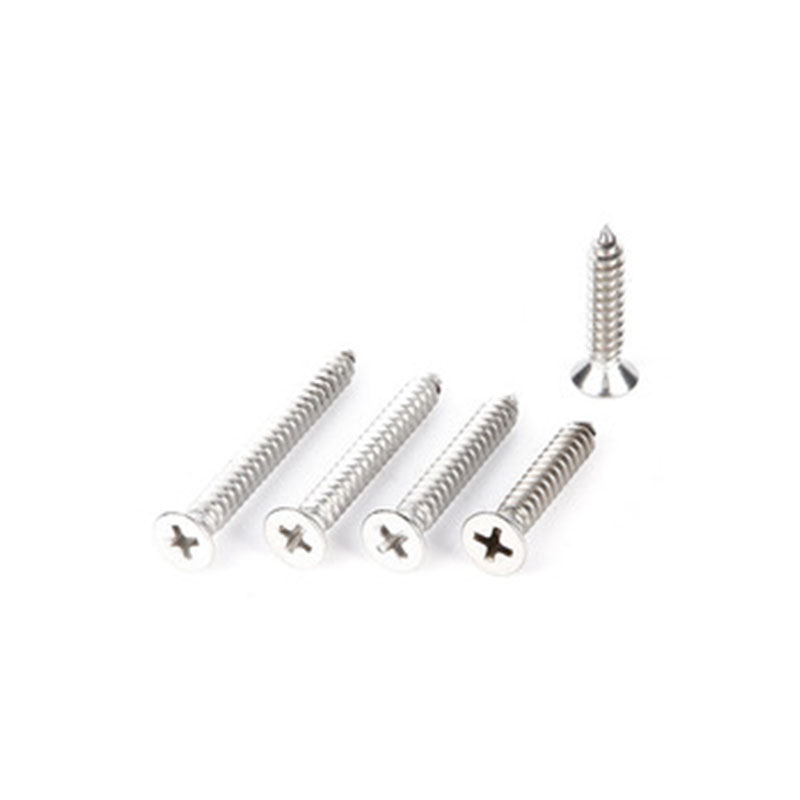
Maximizing Surface Contact and Clamping Torque Performance
Many hardware designers worry that protruding screw heads might ruin the sleek profile of premium equipment boxes. However, modern automated assembly lines actually prefer dome-headed fasteners due to their superior structural load distribution behavior.
Utilizing a premium round head self-tapping screw provides a wide, flat bearing surface beneath the screw head. This wider footprint acts like an integrated washer, spreading the clamping pressure evenly across the outer panel.
Furthermore, this broad pressure distribution prevents the thin metal from tearing around the pilot hole under vibration. The wide head coverage effectively seals the joint gap, keeping the outer structural panels aligned perfectly forever.
| Fastener Profile Type | Bearing Surface Area | Sheet Deformation Risk | Primary Enclosure Application |
| Dome Round Head | Large & Flat Base | Extremely Low | Thin Outer Chassis Panels |
| Countersunk Flat | Small Cone Base | High Risk | Heavy Structural Frame Joins |
| Hex Flange Drive | Extra Large Base | Low Risk | Industrial Server Rack Bases |
Streamlining the Thin Metal Housing Assembly Workflow
True factory cost optimization requires looking closely at how components behave during rapid manual assembly operations. Workers must drop fasteners into place quickly using automated pneumatic torque drivers without experiencing cross-threading delays.
Transitioning to an integrated thin metal housing assembly protocol simplifies your fastening workflow down to one single step. The specialized hardened steel threads cut their own matching mating grooves directly into the aluminum panel automatically.
Instead of matching tapping bits to drill bits, workers simply drive the fastener directly into stamped pilot holes. This clean mechanical engagement locks the screw tightly, preventing backing out during heavy international freight transportation.
-
Thread-Forming Hardness: Case-hardened carbon steel pierces through tough industrial alloys without breaking the screw tip.
-
Deep Thread Profile: Maximizes the internal surface area contact inside thin sheets for excellent pull-out resistance.
-
Deep Driver Recess: Prevents driver bit slippage, protecting your exterior box paint from nasty metal scratches.
-
Integral Flange Effects: Eliminates the necessity for separate lock washers, reducing your total bill of materials.
Calibrating Your Factory Driver Torque Settings
Achieving maximum joint stiffness requires choosing pneumatic tool clutch limits that match your metal sheet gauge. Learn more about configuring industrial torque drivers for sheet metal to prevent strip-out failures during mass production.
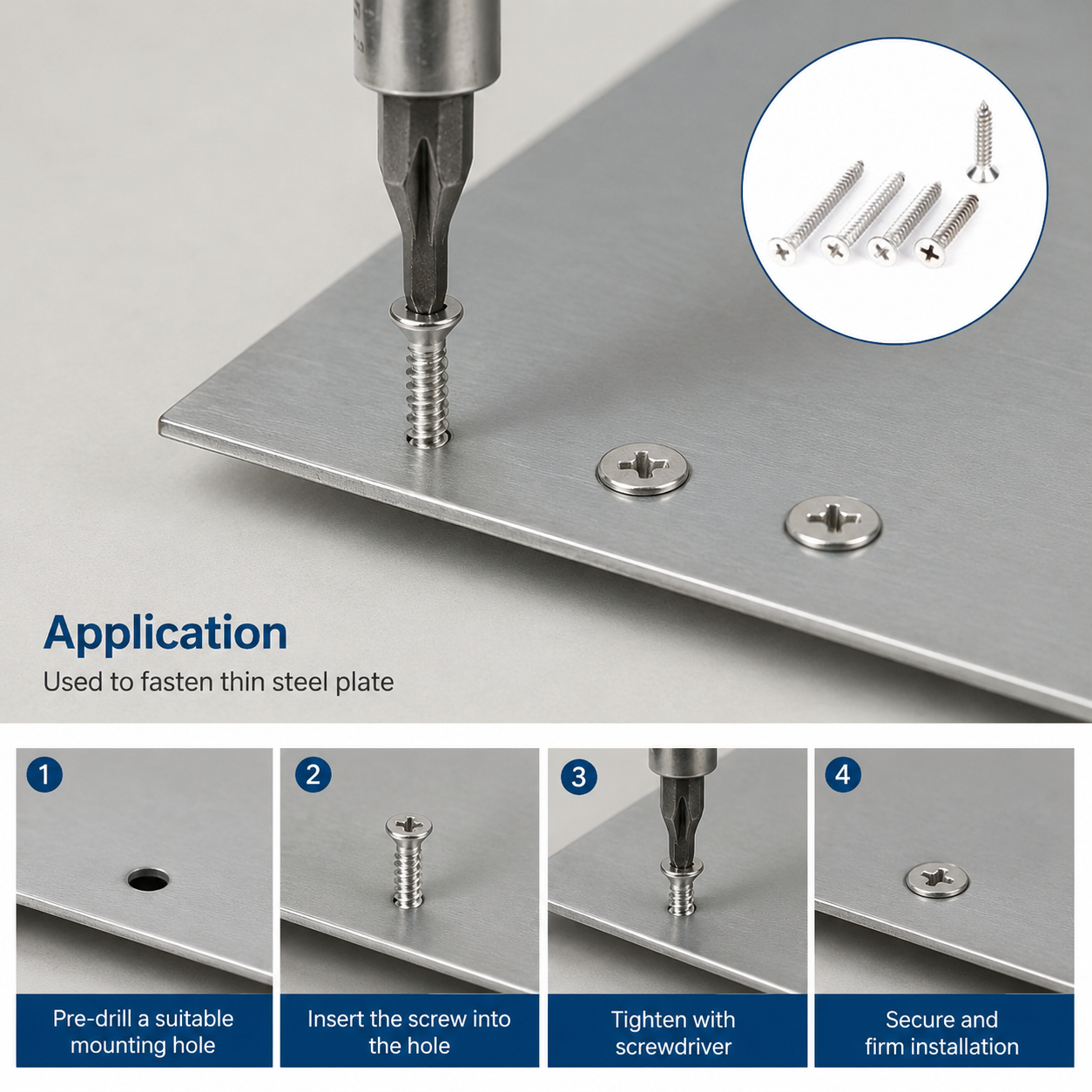
4 Steps to Configure a Vibration-Proof Outer Enclosure
Building a highly reliable, weather-sealed utility box requires a systematic structural design approach before mass production begins.
Overcoming Thread Strip-Out in High-Velocity Production
Securing extremely thin metal sheets under one millimeter thick presents a significant technical hurdle for automated assembly lines. High-speed assembly tools can easily over-torque thread-forming fasteners, stripping the delicate metal threads instantly during insertion.
Fortunately, modern fastener engineering offers brilliant thread-forming enclosure screws designed with special dual-thread pitches. These innovative threads feature alternating high and low crest profiles that pack displaced metal tightly into the roots. Read our comprehensive technical guide on preventing fastener strip-out to maximize your factory line efficiency long-term.
Additionally, look closely at your choice of drive recess style. Utilizing Torx or deep Phillips drives allows automated arm grippers to hold the screw perfectly straight during entry. This stability ensures straight thread cutting, ensuring a flawless outer finish on every equipment cabinet box.
The Commercial Value of Professional Enclosure Hardware Selection
Investing in premium, custom-tailored outer box fasteners delivers massive financial advantages for global manufacturing enterprises over time.
First, proper fastener selection lowers your post-sale warranty costs by reducing field component failures to zero. Equipment enclosures installed in vibrating marine or industrial environments will hold together reliably for decades without loosening. This durability protects your market reputation.
Second, clean dome-headed hardware enhances the perceived value of your finished commercial products immediately. Smooth, uniform screw heads suggest meticulous engineering oversight, giving buyers confidence in the internal electronics. Your outer hardware ceases to be a utility and becomes a vital branding asset.
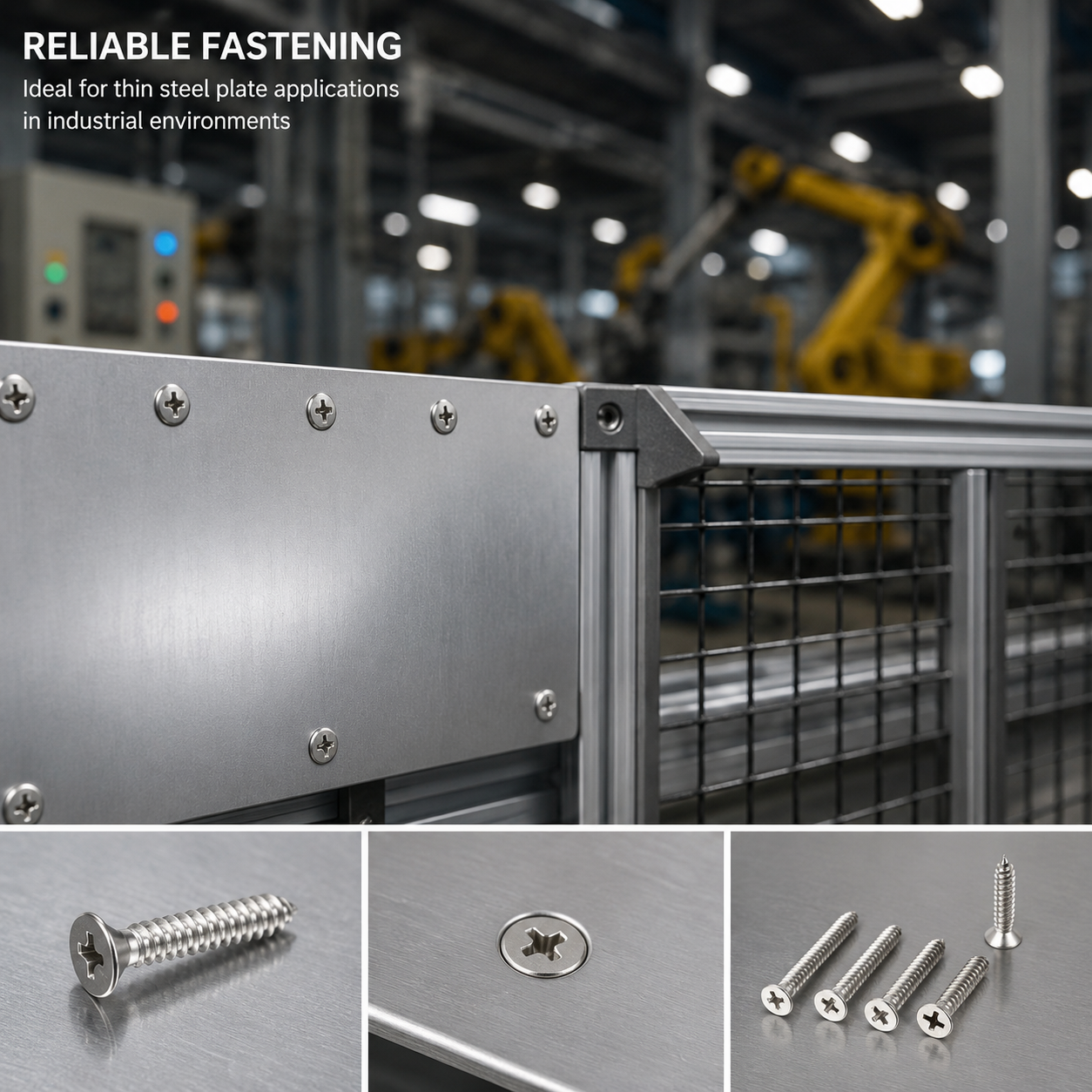
Elevate Your Outer Box Construction Quality
Can a simple change in screw head profile truly transform your industrial product packaging success? The mechanical data confirms that dome-shaped tapping fasteners provide the ultimate protection for sheet metal housings.
By moving away from countersunk screws toward a high-performance self-tapping screw, you secure thin panels flawlessly. Implementing advanced sheet metal enclosures assembly standards ensures your products look premium while resisting severe transit vibrations. Invest in professional-grade external chassis hardware today to future-proof your product lines and delight your corporate buyers.