



Walk onto any modern factory floor today. You will instantly hear the roar of heavy automated machinery. Giant assembly arms move fast, producing thousands of consumer goods every single hour. Yet, people rarely look closely at the tiny components holding these massive systems together. In reality, tiny fasteners bear the brunt of incredible operational stresses. If a single joint fails, the entire production line stops immediately. Such unexpected downtime costs factories thousands of dollars per minute. Therefore, engineers must select their hardware with extreme care.
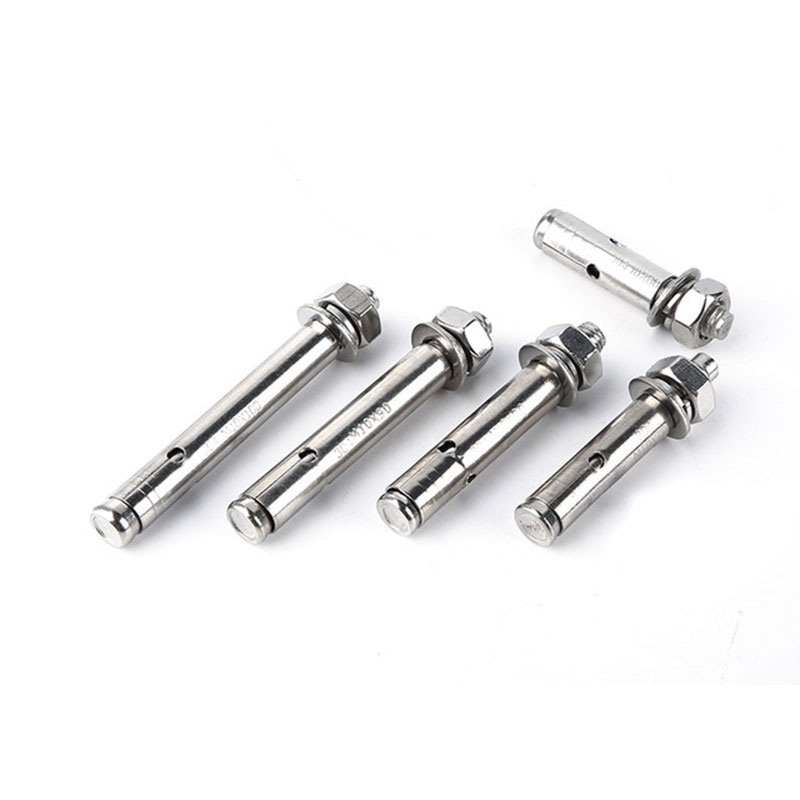
Specifically, stainless steel machine screws remain the absolute gold standard across global supply chains. This article explains why these reliable fasteners are vital for modern industrial manufacturing plants.
The Unique Metallurgy of Stainless Steel Fasteners
To understand their value, we must look at the underlying science. Standard carbon steel rusts quickly when exposed to moisture. In contrast, stainless steel contains a unique blend of chemical elements.
The Chromium Secret
Stainless steel contains a minimum of 10.5% chromium. This specific ingredient reacts naturally with oxygen in the air. Consequently, it creates an invisible, microscopic protective layer on the surface. This passive film heals itself automatically if the screw sustains physical scratches during installation. Therefore, the base metal stays perfectly protected from rust forever.
Choosing Between Austenitic and Martensitic Grades
Industrial machine shops typically utilize two main families of stainless alloys. First, austenitic grades like 304 and 316 offer exceptional rust prevention. They work beautifully in chemical processing plants. Second, martensitic grades like 410 undergo intense heat treatment. This extra step boosts their physical hardness significantly, making them ideal for high-torque applications.
Key Technical Benefits on the Factory Floor
Why do procurement managers specify these fasteners over cheaper alternatives? The reasons span far beyond basic rust prevention.
Exceptional Temperature Resistance
Many industrial processes generate extreme environmental conditions. For instance, commercial baking ovens operate at blistering temperatures. Conversely, cryogenic freezing facilities require sub-zero environments.
Standard steel fasteners become extremely brittle and crack under these thermal extremes. However, heavy duty fasteners made of stainless steel retain their structural integrity perfectly.
Preventing Costly Product Contamination
Food manufacturing and pharmaceutical sectors enforce incredibly strict hygiene regulations. Debris from rusty screws can ruin massive batches of product instantly. Because stainless hardware resists chemical washes, it eliminates contamination risks completely. You can explore these strict sanitation protocols further by reading our guide on Hygienic Design in Food Processing Plants.
Comparing Common Industrial Fastener Materials
Selecting the wrong material can lead to catastrophic joint failure. The table below compares performance metrics across common factory hardware options.
| Performance Attribute | Standard Carbon Steel | Galvanized Plated Steel | Premium Stainless Steel |
| Rust Resistance | Extremely Low | Moderate (Coating wears off) | Outstanding (Self-healing layer) |
| Tensile Strength | High (But degrades with rust) | Moderate | High to Very High |
| Temperature Range | Poor (Becomes brittle) | Limited | Excellent (Cryogenic to High Heat) |
| Initial Cost | Very Low | Low | Moderate |
| Long-Term Value | Low (Requires frequent replacement) | Moderate | High (Lasts for decades) |
Maximizing Mechanical Strength and Torque Tolerance
Some engineers worry that stainless steel strips easier than high-tensile carbon bolts. While standard stainless is softer, advanced manufacturing techniques solve this issue completely.
The Power of Thread Rolling
Top-tier manufacturers do not cut threads into raw metal rods. Instead, automated cold-heading machines roll the threads under immense mechanical pressure. This process compresses the internal grain structure of the alloy. As a direct result, it hardens the high quality machine screws precisely where mechanical stress concentrates.
Eliminating Thread Galling Failures
During high-speed automated assembly, friction generates intense heat between matching metal threads. This heat can cause the surfaces to weld together unexpectedly, a problem known as galling. To prevent this issue, technicians apply specialized anti-seize lubricants during installation. You can learn how to avoid these assembly line delays by studying our Industrial Fastener Torque and Lubrication Chart.

Essential Checklist for Industrial Fastener Selection
Procurement specialists must look beyond basic dimensions when ordering new stock. Always analyze these critical project variables before signing off on a purchase order.
-
Verify the Specific Alloy Grade: Ensure 316 grade is selected for highly acidic or salty environments.
-
Inspect the Drive Style: Choose Torx or Hex socket drives for high-speed automated assembly lines.
-
Check Material Traceability: Demand official mill test reports from your supplier to verify metal purity.
-
Match Thread Pitch Accurately: Ensure fine or coarse threads match the pre-tapped internal machine holes perfectly.
The Economic Reality: True Cost vs. Purchase Price
Cheap carbon fasteners look attractive on initial budget sheets. However, smart operations managers evaluate the Total Cost of Ownership (TCO) instead.
Reducing Maintenance Overhead
Every time a screw snaps, maintenance crews must drill out the broken shank manually. This tedious repair process wastes valuable labor hours. By upgrading to premium industrial corrosion resistant bolts, you minimize these routine maintenance tasks.
Extending Equipment Lifespan
Industrial machinery represents a massive capital investment. Protecting these assets is paramount. Stainless components prevent rust from spreading to expensive machined engine blocks. Consequently, your primary production machinery operates reliably for many additional years.
Selecting a Trusted Global Fastener Partner
Sourcing reliable hardware requires finding a vendor with strict quality control protocols. Avoid distributors who cannot provide full batch certifications. Instead, look for partners who invest in computerized optical sorting machines. These automated inspection systems check thousands of parts per minute, ensuring perfect thread dimensions. This rigorous testing guarantees that every delivery will perform flawlessly on your automated assembly line.
Final Thoughts
Industrial environments present constant challenges for mechanical hardware. Vibration, chemical washes, and extreme temperatures threaten joint security every single day. Ultimately, choosing premium stainless steel machine screws protects your production line from unpredictable failures. They deliver the long-term durability, safety, and hygiene that modern factories require to remain profitable.
Do you need help calculating the exact fastener tensile strength required for your upcoming machinery upgrade? Contact our industrial application engineering team today for expert technical assistance with your project blueprints.