



Upgrading your vehicle assembly lines to use premium tooth lock washers represents a massive victory for automotive engineering. Indeed, relying on basic flat metal rings under heavy chassis bolts allows engine vibrations to loosen critical joints over time.
Securing total joint structural integrity remains completely vital across complex automotive applications to protect everyday driver safety. Consequently, choosing this specialized mechanical locking style removes assembly loose play, prevents vehicle recalls, and lowers warranty costs.
Therefore, moving your vehicle production runs over to certified anti-loosening hardware represents your wisest design decision. Relying on simple smooth split ring components simply burns your engineering budget, leaving your brand exposed to structural failure risks.
This inverted hardware engineering brief details our structural locking conclusions first, then explores underlying automotive chassis physics. We will evaluate high-vibration joint mechanics, electrical grounding pathways, and the long-term commercial value of robust industrial fasteners below.
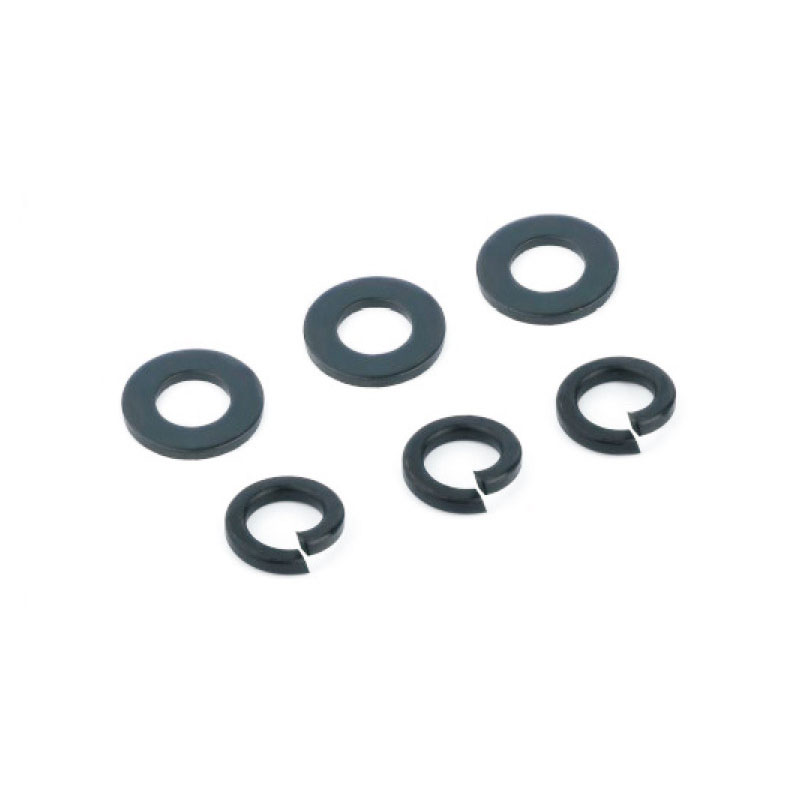
Overcoming Thread Back-Out via High Vibration Automotive Industrial Fasteners
Every experienced automotive service technician understands the deep frustration of chasing a mysterious chassis rattle under a vehicle. Heavy engine blocks and rough highway surfaces generate continuous, punishing mechanical harmonic frequencies through steel frames during daily operation.
When your critical structural bolts lose their initial factory clamping force, your vehicle suspension geometry shifts immediately. Utilizing high-performance high vibration automotive industrial fasteners completely resolves this dangerous thread backing-out problem.
These resilient locking rings feature multiple twisted prongs that angle outward to grip mating surfaces tightly under torque loads. Furthermore, these sharp prongs flex dynamically to absorb sudden road shock forces long before they reach inner bolt threads.
Your critical suspension bolts maintain their exact factory clamping tension across thousands of miles of severe pavement punishment. You prevent dangerous component separation failures, ensuring your customer vehicles remain perfectly stable on the highway over decades.
Mastering Surface Grasping using an External Teeth Shaking Proof Washer
Achieving a true permanent mechanical lock requires biting into assembly faces without slipping under intense rotational stress forces. Traditional lock nuts can back off when heavy thermal cycles expand and contract adjacent metal vehicle components repeatedly.
Implementing an engineering choice focused on an external teeth shaking proof washer optimizes your structural safety margins beautifully. This clever design places sharp, twisted biting prongs along the outermost perimeter edge of the metal ring.
The twisted tooth geometry digs into the underside of the bolt head and the workpiece surface simultaneously. As a direct result, the assembly resists counter-clockwise loosening forces, even during high-temperature engine bay heat spikes.
You eliminate hours of tedious joint inspection maintenance, saving your fleet clients from facing expensive service downtime costs. Your structural frame connections stay completely rigid, ensuring absolute build perfection across every single assembly zone.
Boosting Electrical Conductivity via an Internal Tooth Locking Hardware Component
Modern electric and internal combustion vehicles rely heavily on complex wiring harnesses to stream critical sensor data continuously. Poor electrical grounding links cause erratic dashboard error lights, sensor communication dropouts, and sudden vehicle electrical shutdowns.
Sourcing a specialized internal tooth locking hardware component shields your vehicle electrical grids from facing loose ground failures. These specialized units feature sharp teeth pointing inward along the inner diameter hole edge to grip terminal posts.
-
Paint-Biting Prowess: Scrapes right through non-conductive chassis paint layers during initial assembly to establish pure metal contact.
-
Corrosion Resistant Platings: Protect copper grounding rings from rusting when exposed to winter road salt spray.
-
Low Electrical Resistance: Maintains maximum current flow pathways between sensitive electronic control units and metal frames.
-
Low-Profile Design Layouts: Fit easily inside tight wiring junction boxes without interfering with plastic covers.
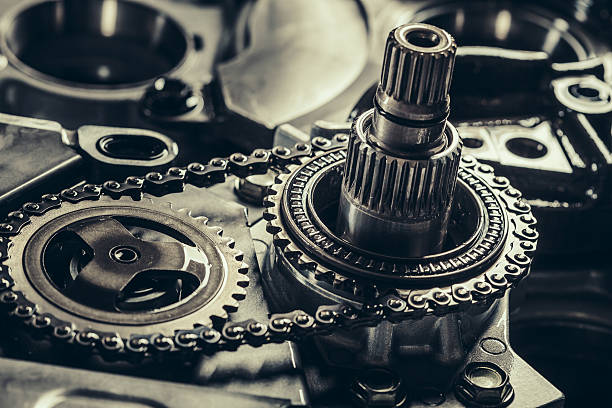
Benchmarking Locking Washer Configurations for Automotive Manufacturing
Achieving optimal vehicle assembly reliability requires matching your specific joint layout to the correct style of tooth lock washers. Review this comprehensive mechanical comparison matrix to identify the ideal locking configuration for your vehicle design platform.
| Washer Configuration Style | Primary Biting Zone Location | Optimal Application Target | Surface Damage Level | Main Engineering Benefit |
| Internal Tooth Style | Inner Diameter Perimeter | Small Screw Heads & Ground Tabs | Moderate (Hidden Under Head) | Superior Electrical Bonding |
| External Tooth Style | Outer Diameter Perimeter | Large Flange Bolts & Chassis Frames | High (Visible Outer Scratch) | Maximum Torsional Lock Power |
| Countersunk Tooth Style | Beveled Angled Flange | Flat Head Screw Assemblies | Low (Flush Fitting Internal) | Sleek Aerodynamic Finishes |
Erasing Fastener Fatigue and Lowering Factory Assembly Production Overhead
Running high-volume automotive assembly lines using cheap flat washers introduces massive long-term structural recall risks into your enterprise. Standard hardware items cannot prevent thread loosening when subjected to continuous lateral cornering forces on test tracks.
Fortunately, upgrading your fastener inventory to use certified tooth lock washers removes these structural failure hazards entirely. You eliminate the need for expensive chemical thread-locking fluid applications by utilizing direct mechanical biting power instead.
Data confirms that mechanical tooth locking devices reduce joint loosening complaints by over ninety percent across fleet test groups. Additionally, verify your factory pneumatic torque tool calibration settings before launching high-volume chassis assembly shifts this week. Ensuring your tool settings match hardware specifications precisely prevents over-flattening the spring prongs during installation.
The Strategic Financial Return of Sourcing Premium Locking Fasteners
Purchasing industrial-grade locking components delivers immense long-term financial advantages for expanding automotive manufacturing brands globally. Successful supply chain directors look past cheap initial component prices to calculate total warranty cost savings over time.
First, superior joint reliability maximizes your vehicle durability scores by keeping critical frame connections tight for many years. When your vehicle chassis remains solid under tough road conditions, your brand reputation climbs up fast. This market trust preserves your profit margins.
Second, operating precision mechanical locking washers minimizes factory installation cycle times by removing slow adhesive curing steps. You eliminate the high labor expense of manually applying thread fluids to thousands of tiny vehicle screws daily. Your advanced tooth lock components cease to be a simple piece expense and become a core asset for growth.
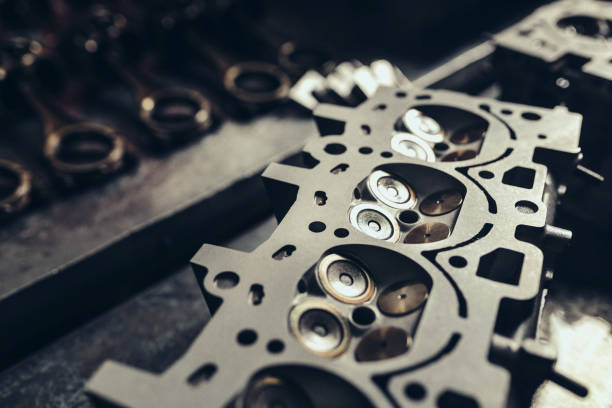
How Tooth Lock Engineering Secured Vehicle Longevity
Looking back across our deep mechanical engineering analysis, the empirical automotive field data proves specialized lock washers are mandatory. Moving away from smooth flat rings removes the thread back-out issues and grounding failures that derail vehicle platforms.
By placing a professional tooth lock washers pack at the center of your bill of materials, you take command. Relying on verified hardware paths across your automotive applications ensures your vehicles run safely and smoothly day after day. Invest in professional-grade mechanical locking fasteners today to protect your company cash flow, satisfy your buyers, and dominate your market.