



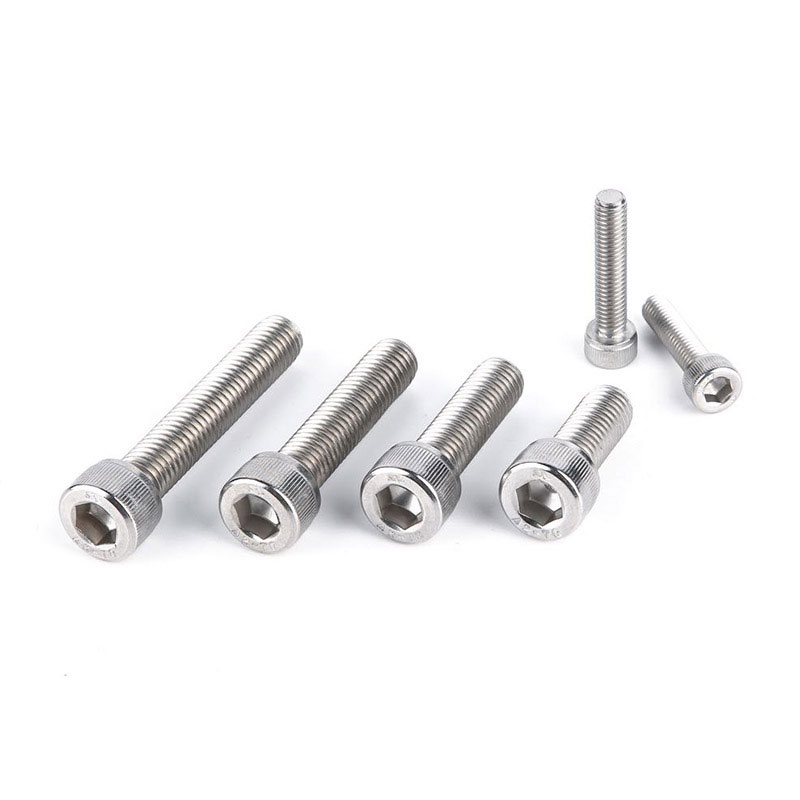
Modern original equipment manufacturing demands exceptional joint reliability, compact designs, and long-term durability. Specifying high-grade stainless hex head screws transforms overall machine assembly performance. Consequently, equipment builders ensure full lead-free compliance and outstanding corrosion resistance. Furthermore, precision hex socket drives replace stripped conventional screw heads. Therefore, OEM engineering teams maintain high structural stability across demanding industrial applications.
High-Cost Pain Point Scenarios in OEM Equipment Assembly
Driver Cam-Out and Stripped Fastener Heads
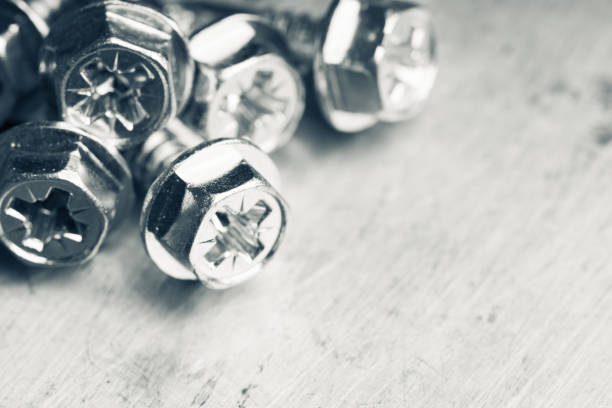
Conventional screw drives slip frequently during high-torque automated assembly operations. In addition, rounded screw heads slow down assembly line speed. As a result, damaged fasteners cause costly factory downtime.
Joint Failure and Corrosion in Harsh Industrial Environments
Low-grade carbon steel screws rust rapidly when exposed to plant moisture and chemicals. Furthermore, corroded fasteners seize inside critical equipment housings. Consequently, service technicians struggle with difficult maintenance repairs in the field.
Bulk Installation Space Limitations in Compact Automation Frames
Bulky bolt heads require wide wrench clearance inside tight machinery enclosures. In addition, standard hex heads create awkward design protruding hazards. Therefore, machine designers require compact countersunk or recessed hardware.
Advanced Technical Solutions for Equipment Builders
High-Strength 304 Stainless Steel Construction
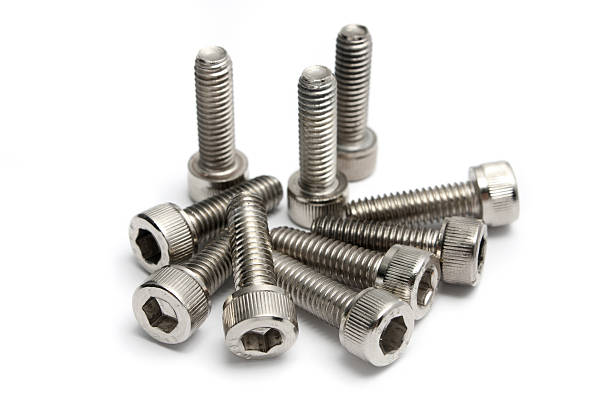
Our premium 304 stainless steel socket head cap screw provides superior corrosion resistance. Specifically, high-quality A2 stainless steel delivers exceptional long service life. Thus, the natural silver finish ensures durable performance in severe environments. For additional machinery hardware options, Explore Our OEM Industrial Fastener Line.
High-Torque Hex Socket Allen Drive
The hex socket Allen drive allows seamless installation using standard Allen keys. Furthermore, this precision drive delivers maximum torque transmission while eliminating driver slipping risks. Consequently, technicians achieve fast, secure tightening inside tight equipment spaces. You can inspect exact structural torque ratings in our Read Our Complete Socket Screw Technical Guide.
Clean Compact Appearance for Machinery and Automation
Shenle hex socket allen drive fasteners deliver a clean, compact aesthetic profile. Moreover, standard metric threading guarantees universal fit across machinery and electronics. Therefore, automated equipment builders build sleeker, more reliable industrial structures. Discover more precision hardware choices at Browse Full Metric Socket Screw Inventory.
Product Specifications and Performance Comparison
The table below compares generic carbon steel screws against our 304 stainless steel socket head cap screws:
| Feature / Parameter | Generic Carbon Steel Screw | Shenle 304 Stainless Socket Head Cap Screw |
| Material Base | Low Carbon Alloy | High-Quality 304 Stainless Steel |
| Drive System | Standard Slotted / Phillips | Hex Socket (Allen Drive) |
| Surface Finish | Basic Zinc Plating | Stainless Steel Natural Finish |
| Corrosion Resistance | Low (Oxidizes Quickly) | Excellent Industrial & Chemical Rating |
| Cam-Out Protection | Weak (Prone to Stripping) | High Torque Transmission (Zero Slipping) |
| Environmental Standard | Basic Commercial | Lead-Free Compliance & ISO Certified |
Frequently Asked Questions (FAQ)
Why are 304 stainless steel socket head cap screws ideal for OEM equipment builders?
They deliver excellent corrosion resistance, high tensile strength, and zero driver cam-out in compact assemblies.
How does the hex socket Allen drive improve assembly efficiency?
The Allen drive enables high torque transmission with Allen keys, preventing driver slipping during tightening.
What surface finish is applied to these socket head cap screws?
They feature a clean, natural stainless steel finish for long-term durability across various environments.
Where are these stainless hex head screws commonly installed?
Engineers deploy them in machinery, equipment assembly, electronics, automation systems, and industrial structures.