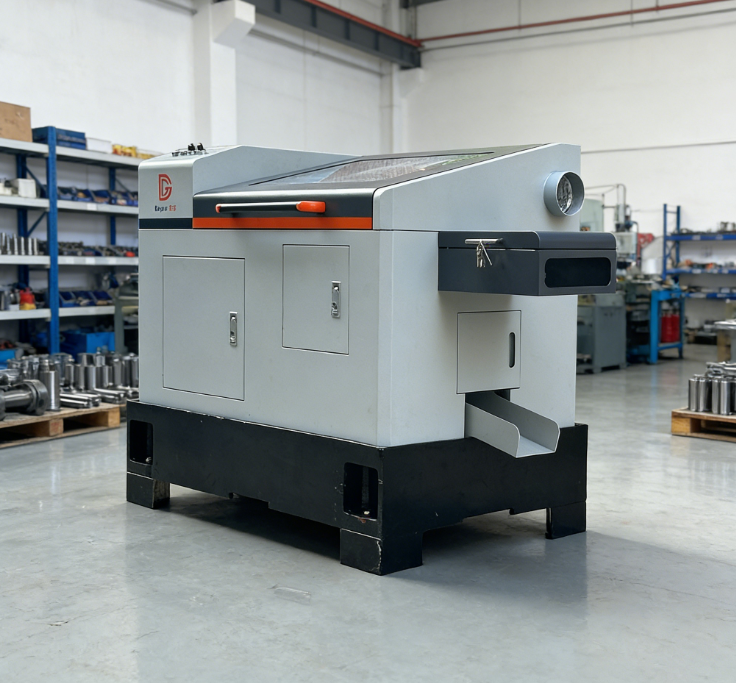



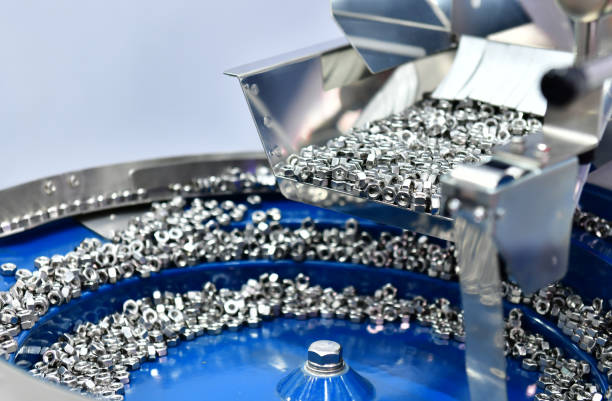
Upgrading to an automated Fastener production line supplier setup completely solves manual throughput bottlenecks and rising labor costs. This strategic manufacturing shift guarantees consistent thread tolerances, reduces material waste, and boosts overall plant output by over 40%.
As global manufacturing expands rapidly across the automotive, electric vehicle, and industrial machinery sectors, demand for high-precision metal fasteners is hitting historic peaks. Recent 2026 industrial hardware reports project the global industrial fastener market to surpass $114 billion, driven heavily by automated production technology.
Standard manual cold heading operations simply cannot match the continuous output rates demanded by modern OEM supply chains. Conversely, automated multi-station cold formers integrate real-time sensor monitoring, automated wire feeding, and instant thread rolling. Ultimately, transitioning to intelligent fastener manufacturing systems secures your market competitiveness and protects your long-term operating margins. Now, let us track back to examine why legacy manual cold heading plants suffer severe productivity losses.
The Throughput Bottleneck: Why Manual Fastener Manufacturing Fails Modern Supply Chains
Every experienced plant manager knows the intense pressure of meeting high-volume customer delivery schedules. This operational stress usually happens because older production plants rely on manual labor for raw wire loading, machine adjustments, and batch quality checks.
How Manual Workflows Increase Defect Rates and Worsen Skilled Labor Shortages
Relying on manual machine operators introduces human variability into delicate wire alignment and heading processes. When an operator miscalculates raw wire feed rates, the heading die crushes incorrectly, producing deformed bolt heads.
Consequently, manual facilities experience high scrap rates and frequent unscheduled downtime for tool clearing. Furthermore, finding skilled machine operators has become increasingly difficult for modern factory directors. Therefore, replacing labor-intensive setups with an automated fastener production line becomes essential to maintain continuous factory operations.
Why Inconsistent Thread Pitch and Unstable Heading Pressure Ruin High-End OEM Orders
Modern aerospace, automotive, and electronics manufacturers enforce strict zero-defect tolerance thresholds for all structural hardware. Manual or semi-automated heading presses struggle to maintain uniform hydraulic pressure over 24-hour production runs.
As a result, thread pitches drift out of specification, leading to costly batch rejections during customer receiving inspections. Partnering with an experienced Fastener production line supplier eliminates these tolerance drifts by deploying automated, sensor-guided heading machinery.

Technical Core: What Makes Automated Fastener Production Systems So Effective?
To eliminate dimensional drift, hardware engineers re-engineered the cold heading and thread rolling process from the ground up. Modern automated plants combine high-speed mechanical drives with real-time digital monitoring networks.
High-Speed Multi-Station Cold Heading Architecture
The core engine of modern automated production is the multi-station progressive cold former. Instead of forming a bolt head in a single forced impact, the wire passes through multiple specialized forming dies in milliseconds:
-
Automated Wire Uncoiling: Feeds heavy steel coil smoothly without manual tension adjustments.
-
Precision Wire Shearing: Cuts raw metal rods to exact length tolerances before heading.
-
Progressive Die Transfer: High-speed mechanical fingers transfer the blank across four to six forming stations.
-
High-Torque Thread Rolling: Reciprocating flat dies form perfect, high-strength threads without removing material.
This continuous automated flow yields thousands of perfectly shaped bolts every single hour.
Real-Time Quality Control via Advanced Optical Inspection Modules
Modern automated lines embed high-resolution laser vision systems directly after the thread rolling stage. These smart optical sensors inspect up to 2,000 fasteners per minute, verifying head dimensions, shank straightness, and thread pitch accuracy instantly.
If a single part strays outside tolerance, the automated sorting system redirects the defective item into a separate scrap bin. Your factory delivers 100% verified, high-precision batches to end customers every time.
Performance Comparison: Legacy Manual Lines vs. Fully Automated Fastener Lines
| Operational Performance Metric | Legacy Manual/Semi-Automated Lines | Fully Automated Fastener Production Lines |
| Hourly Output Volume | Low (Limited by manual feed speeds) | Exceptional (Produces up to 300+ parts per minute) |
| Dimensional Scrap Rate | High (Human errors cause frequent defects) | Near Zero (In-line laser sensors catch errors) |
| Operator Staffing Needs | High (Requires dedicated operator per machine) | Minimal (One technician manages multiple lines) |
| Die Protection Safety | Poor (Requires manual shutdown on jams) | Instant (Pneumatic emergency sensors stop jams) |
| Operational Energy Efficiency | Variable (Frequent machine idling) | High (Optimized servo-driven motor controls) |

Strategic Value: Driving Higher Profit Margins and Securing Tier-1 OEM Contracts
Investing in modern automatic screw making machinery yields immediate financial returns for ambitious industrial manufacturers. It elevates your factory floor into an agile, digital production environment.
Lowering Unit Costs through Material Savings and Rapid Changeovers
Automated cold heading machines form metal fasteners through plastic deformation rather than subtractive machining. This cold forming technique utilizes nearly 100% of the raw steel wire, generating virtually zero metal shavings or material waste.
Furthermore, quick-change die cassettes allow setup technicians to switch product runs in under 30 minutes. This extreme operational flexibility allows your factory to accept both massive OEM orders and small specialized production batches profitably.
Achieving Industry 4.0 Traceability with Smart Factory Integration
Leading automotive and aerospace buyers require complete material traceability for every structural fastener installed in their vehicles. Automated fastener production lines integrate directly with Manufacturing Execution Systems (MES) to record raw material heat numbers, heading pressures, and batch timestamps automatically.
This digital data logging builds immense buyer trust and positions your company as a preferred supplier for high-margin industrial projects.
FAQ:
What types of fasteners can be produced on an automated cold heading line?
An automated line can produce a wide variety of hardware, including standard hex bolts, socket cap screws, self-tapping screws, solid rivets, and custom stepped shafts. By swapping forming dies, manufacturers can process carbon steel, stainless steel, aluminum, and titanium wire stock.
How does an automated line protect expensive cold heading dies from breaking?
Modern high speed cold heading machine models feature integrated hydraulic tonnage monitors and acoustic emission sensors. If wire hardness varies or a blank misfeeds, the sensor detects the abnormal pressure spike and stops the press in milliseconds, preventing die damage.
What is the typical ROI timeline when upgrading to automated fastener machinery?
Most fastener manufacturing plants achieve complete capital payback within 12 to 18 months. This rapid return on investment is driven by reduced scrap rates, lower labor expenses, increased machine uptime, and higher overall production output.

Modernize Your Fastener Factory to Capture Growing Market Demand
Relying on outdated, labor-intensive cold heading equipment leaves your manufacturing plant vulnerable to high scrap rates, rising labor costs, and lost sales. You cannot build a high-growth industrial brand if production delays and quality variations constantly frustrate your key clients. Upgrading your factory floor to leverage smart fastener manufacturing technology updates your production capabilities completely. This strategic capital investment combines high-speed multi-station forming with automated optical sorting to protect your operating margins.
Stop letting slow manual setups and high defect rates bottleneck your company’s growth in this expanding global market. Invest in field-proven, highly automated fastener production lines that maximize your output speeds and deliver pristine part quality. Your production team will enjoy higher operational stability, and your customers will appreciate the consistent delivery of high-precision hardware. Modernize your industrial manufacturing hardware today to take absolute control over your plant’s production standard!